What Does FIP Mean in Plumbing? A Complete Homeowner's Guide
If you've ever shopped for plumbing parts, you've probably encountered abbreviations such as FIP, MIP, NPT, or FPT. For many homeowners, these terms can be confusing. Understanding them is important because selecting the wrong fitting can lead to leaks, damaged threads, and wasted time.
So, what does FIP mean in plumbing? FIP stands for Female Iron Pipe. It refers to a fitting with internal threads designed to connect with a male-threaded pipe or fitting. Although the name includes "iron," modern FIP fittings are commonly made from brass, stainless steel, PVC, CPVC, and other plumbing materials.
Whether you're installing a faucet, replacing a water heater connection, or repairing a plumbing line, understanding FIP plumbing fittings can help you choose the correct components and avoid costly mistakes.
Quick Answer: What Does FIP Mean in Plumbing?

FIP stands for Female Iron Pipe, a plumbing fitting that contains threads on the inside. These internal threads allow the fitting to connect securely to a male-threaded fitting, commonly known as MIP (Male Iron Pipe).
FIP fittings are widely used in residential and commercial plumbing systems because they create strong, removable, and leak-resistant threaded connections.
FIP at a Glance
| FeatureFIP Fitting | |
| Full Name | Female Iron Pipe |
| Thread Location | Internal |
| Connects To | Male Iron Pipe (MIP) |
| Common Thread Standard | NPT |
| Requires Thread Sealant | Yes |
| Common Materials | Brass, PVC, CPVC, Stainless Steel |
| Main Uses | Faucets, toilets, water heaters, valves |
Understanding How FIP Threads Work
The easiest way to understand an FIP fitting is to think of a nut and bolt. The bolt contains external threads, while the nut contains internal threads.
A Female Iron Pipe fitting works similarly. The internal threads receive the male-threaded fitting and create a secure mechanical connection. As the threads tighten, the connection becomes stronger and more resistant to leaks.
Most FIP fittings use tapered NPT threads, which means the threads gradually become tighter as they are screwed together.
Why Are FIP Threads Tapered?
Tapered threads help create a tighter seal between connected plumbing parts.
As the male fitting enters the female fitting, the taper causes increased pressure between the threads. This pressure helps prevent water, gas, or air from escaping through the connection.
However, thread sealants such as Teflon tape or pipe joint compound are still necessary to achieve a reliable leak-proof seal.
FIP vs MIP: What's the Difference?
One of the most common plumbing questions involves understanding the difference between FIP and MIP fittings.
| Feature | FIP | MIP |
| Full Name | Female Iron Pipe | Male Iron Pipe |
| Thread Position | Inside | Outside |
| Connection Type | Receives male fitting | Inserts into female fitting |
| Common Applications | Valves, faucets, adapters | Pipes, nipples, threaded connectors |
An FIP fitting cannot connect directly to another FIP fitting. Likewise, two MIP fittings cannot connect together without an adapter.
Instead, a male fitting must connect to a female fitting to create a proper threaded connection.
FIP vs NPT: Are They the Same Thing?

Many homeowners mistakenly believe FIP and NPT are identical. While they are closely related, they refer to different things.
NPT stands for National Pipe Thread, which is the standard thread design used throughout the United States.
FIP refers to the fitting type, while NPT refers to the thread standard.
In most cases:
- FIP fittings use NPT threads.
- MIP fittings use NPT threads.
- FPT and FNPT fittings use NPT threads.
This means a properly sized male NPT fitting will usually connect with a female FIP fitting.
Common Thread Terminology Explained
| Term | Meaning |
| FIP | Female Iron Pipe |
| MIP | Male Iron Pipe |
| FPT | Female Pipe Thread |
| MPT | Male Pipe Thread |
| FNPT | Female National Pipe Thread |
| MNPT | Male National Pipe Thread |
| NPT | National Pipe Thread |
For most residential plumbing projects, these terms are often used interchangeably.
Where Are FIP Fittings Used?
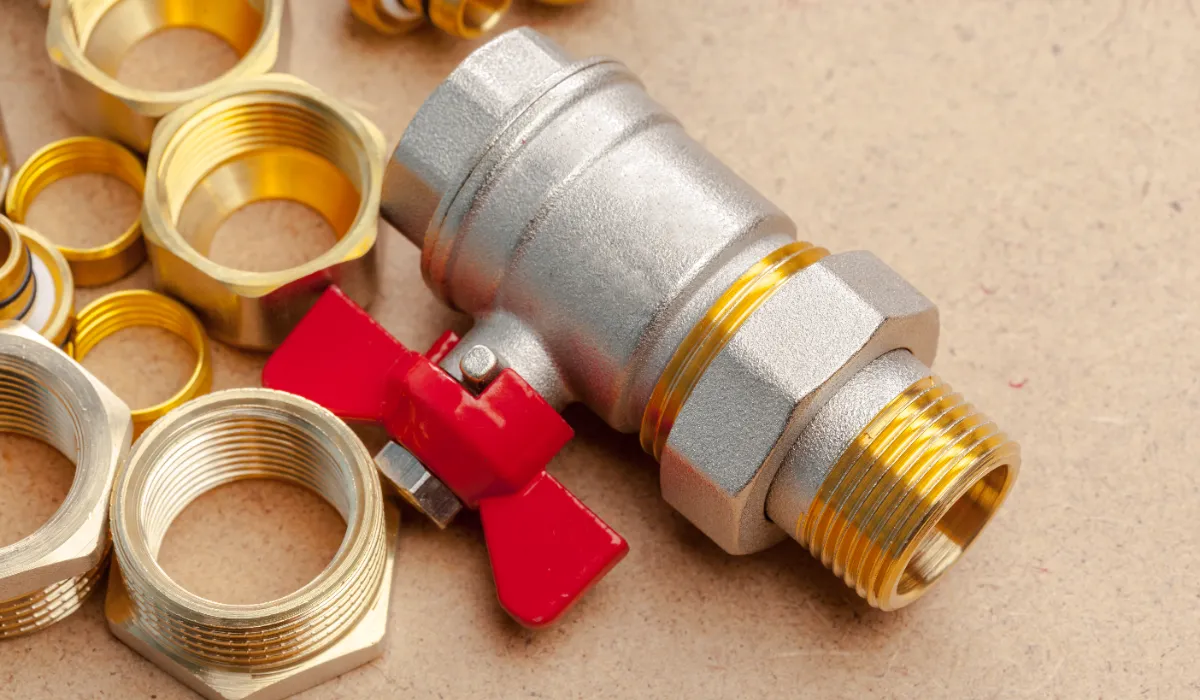
FIP plumbing fittings appear throughout modern homes and commercial buildings.
Faucet Installations
Kitchen and bathroom faucets often rely on FIP connections for attaching supply lines and shutoff valves.
These threaded connections make maintenance and replacement easier without cutting or soldering pipes.
Water Heaters
Most water heaters use threaded Female Iron Pipe fittings for hot and cold water connections.
The threaded design allows easier servicing compared to permanent connections.
Toilet Supply Connections
Flexible toilet supply hoses frequently connect to FIP shutoff valves.
This arrangement provides a reliable connection while allowing future repairs.
Shower Arms and Fixtures
Many shower systems use FIP threaded fittings behind the wall to secure shower arms and accessories.
The threaded connection ensures long-term durability and easier replacement.
Irrigation Systems
PVC FIP fittings are commonly found in sprinkler systems and outdoor watering applications.
They provide convenient threaded connections between valves, pipes, and timers.
Common Materials Used for FIP Fittings
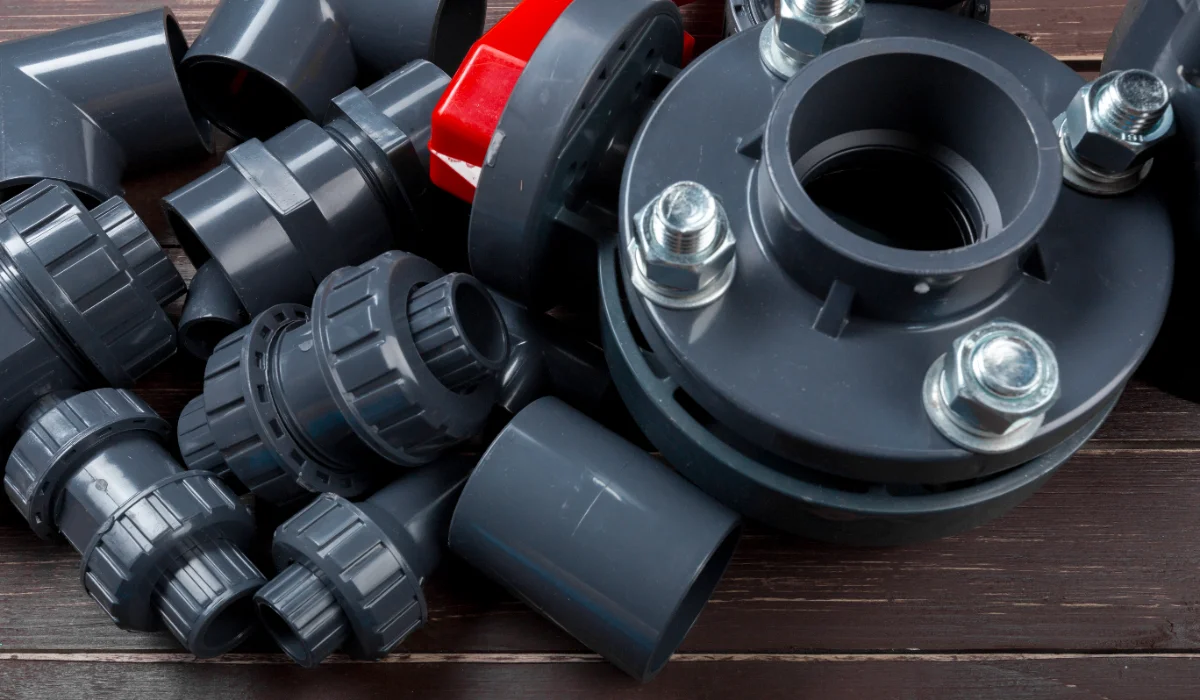
Modern Female Iron Pipe fittings are available in several materials.
Brass FIP Fittings
Brass offers excellent corrosion resistance and durability.
These fittings are commonly used in water supply systems, gas lines, and high-pressure applications.
PVC FIP Fittings
PVC fittings are lightweight, affordable, and resistant to chemical corrosion.
They're frequently used in irrigation systems and cold-water applications.
CPVC FIP Fittings
CPVC can handle higher temperatures than PVC.
This makes it suitable for both hot and cold residential water systems.
Stainless Steel FIP Fittings
Stainless steel provides exceptional strength and corrosion resistance.
These fittings are commonly used in commercial, industrial, and marine environments.
How to Identify an FIP Fitting

Identifying an FIP fitting is usually simple once you know what to look for.
Look for Internal Threads
The easiest indicator is the presence of threads inside the fitting.
If the threads are visible on the interior surface, the fitting is likely female.
Check Product Labels
Manufacturers often mark fittings using terms such as:
- FIP
- FPT
- FNPT
- Female Thread
These labels help identify compatibility before installation.
Compare With a Male Fitting
If a fitting receives another threaded component rather than inserting into it, you're likely dealing with an FIP fitting.
How to Measure FIP Fitting Size

Incorrect sizing is one of the biggest reasons homeowners purchase the wrong fitting.
Measure the Pipe Diameter
Use a measuring tape or caliper to determine the outside diameter of the pipe.
Then compare the measurement to standard plumbing sizing charts.
Common Residential FIP Sizes
| Nominal Size | Common Use |
| 1/4 Inch | Appliance connections |
| 3/8 Inch | Supply lines |
| 1/2 Inch | Faucets and fixtures |
| 3/4 Inch | Water heaters |
| 1 Inch | Main plumbing lines |
Most residential plumbing projects use either 1/2-inch or 3/4-inch fittings.
How to Install an FIP Fitting Correctly
Proper installation prevents leaks and thread damage.
Step 1: Inspect the Threads
Check both fittings for dirt, corrosion, or damaged threads before assembly.
Clean threads create a stronger seal.
Step 2: Apply Thread Sealant
Wrap Teflon tape clockwise around the male threads three to four times.
You may also use approved pipe joint compound.
Step 3: Hand Tighten First
Start threading by hand to avoid cross-threading.
If resistance occurs immediately, stop and realign the fitting.
Step 4: Tighten Carefully
Use a wrench to tighten the connection securely.
Avoid excessive force, especially on plastic fittings.
Common FIP Installation Mistakes

Cross-Threading
Cross-threading occurs when threads are misaligned during installation.
This damages both fittings and often causes leaks.
Overtightening
Excessive tightening can crack fittings and strip threads.
Plastic fittings are especially vulnerable.
Skipping Thread Sealant
Without Teflon tape or pipe dope, even properly matched fittings can leak.
Mixing Incompatible Materials
Certain material combinations can lead to corrosion over time.
Always verify compatibility before installation.
FIP vs Compression Fittings
Both connection types are common in plumbing systems.
| Feature | FIP Fittings | Compression Fittings |
| Uses Threads | Yes | No |
| Requires Sealant | Usually | No |
| Easy Removal | Yes | Yes |
| DIY Friendly | Moderate | High |
| Leak Resistance | Excellent | Excellent |
Compression fittings often work well for supply lines, while FIP fittings are better suited for threaded plumbing systems.
Troubleshooting Common FIP Problems
Why Is My FIP Connection Leaking?
Leaks may result from:
- Insufficient Teflon tape
- Damaged threads
- Improper sizing
- Overtightening
- Cross-threading
Inspect each connection carefully before replacing components.
Why Won't the Threads Screw Together?
This often indicates mismatched thread standards or damaged threads.
Compare the fitting sizes and inspect for deformation.
When Should You Replace an FIP Fitting?
Replace fittings when you notice:
- Cracked bodies
- Stripped threads
- Corrosion
- Persistent leaks
A damaged fitting rarely improves with additional tightening.
Pros and Cons of FIP Fittings
| Pros | Cons |
| Strong threaded connection | Requires sealant |
| Easy to remove | Can cross-thread |
| Widely available | May leak if installed improperly |
| Compatible with many materials | Incorrect sizing causes issues |
| Long-lasting | Overtightening may damage fittings |
Frequently Asked Questions
What does FIP mean in plumbing?
FIP stands for Female Iron Pipe. It describes a fitting with internal threads that accepts a male-threaded pipe or fitting.
Is FIP the same as NPT?
Not exactly. FIP refers to the fitting type, while NPT refers to the thread standard. Most FIP fittings use NPT threads.
Can FIP connect to MIP?
Yes. FIP fittings are specifically designed to connect with MIP fittings of the same size and thread standard.
Do FIP fittings require Teflon tape?
Yes. In most applications, Teflon tape or pipe thread compound helps create a leak-proof connection.
Is FIP only made from iron?
No. Modern FIP fittings are commonly made from brass, PVC, CPVC, stainless steel, and other materials.
What size FIP fitting is most common?
For residential plumbing, 1/2-inch and 3/4-inch FIP fittings are the most frequently used sizes.
Conclusion
Understanding what does FIP mean in plumbing can make plumbing repairs, upgrades, and installations much easier. A Female Iron Pipe fitting contains internal threads that connect to male-threaded fittings, creating a secure and serviceable connection used throughout residential and commercial plumbing systems.
Whether you're replacing a faucet, installing a water heater, or upgrading irrigation equipment, knowing how FIP fittings work helps you select compatible parts and avoid costly mistakes. By understanding the relationship between FIP, MIP, and NPT threads, you can confidently tackle plumbing projects and ensure long-lasting, leak-free connections.