
KDArchitects Landscape Ideas by Morph: A Practical Guide to Beautiful, Sustainable Outdoor Spaces
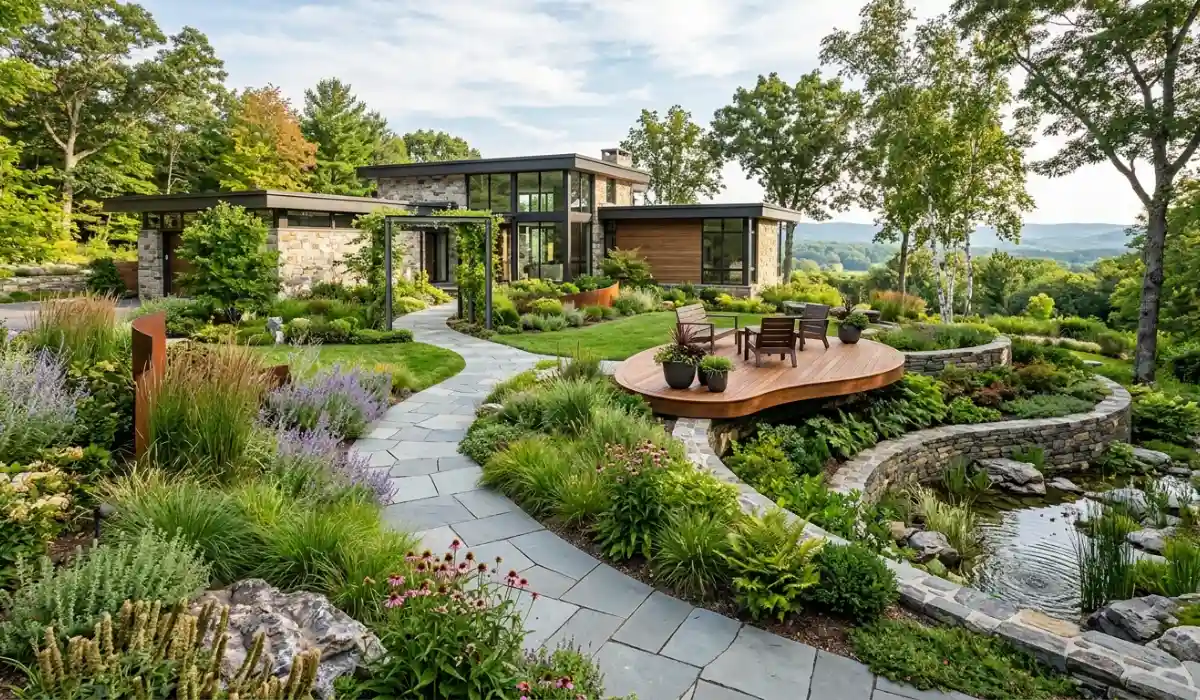
A well-designed landscape should do more than make a property look attractive. It should create comfortable places to relax, connect the home with its surroundings, manage rainwater sensibly, and remain practical to maintain. KDArchitects landscape ideas by morph is a search phrase associated with modern outdoor design, natural materials, sustainable planting, and functional garden layouts.
Although online articles discuss these ideas as a particular design philosophy, publicly verifiable information about the specific projects and professional background attributed to Roger Morph is limited. Therefore, the most useful way to explore this topic is to focus on the landscape design principles behind it and how homeowners can apply them to their own outdoor spaces.
From small urban courtyards to spacious backyards, thoughtful planning can turn underused areas into inviting extensions of the home. The following ideas combine contemporary aesthetics with practical landscaping principles that can be adapted to different climates, budgets, and property sizes.
What Are KDArchitects Landscape Ideas by Morph?
The central concept behind KDArchitects landscape ideas by morph is the relationship between architecture, outdoor living, and the natural environment. Instead of treating a garden as a separate decorative feature, this approach considers how the landscape works with the house, the available space, and the needs of its occupants.
For example, a patio positioned near the kitchen can make outdoor dining more convenient. A carefully placed tree can provide shade, while layered planting can soften the appearance of concrete walls and paved walkways.
These concepts are useful because they prioritize the way people experience an outdoor space, not simply how it looks in photographs.
Several principles can guide this type of design:
- Functional layouts: Give different areas a clear purpose, such as dining, gardening, relaxing, or playing.
- Architectural consistency: Coordinate paving, planting, colors, and materials with the home's exterior.
- Climate-appropriate landscaping: Choose plants and features suited to local sunlight, soil, rainfall, and temperature.
- Sustainable resource use: Reduce unnecessary water consumption and consider how rainwater moves across the property.
- Manageable maintenance: Select features and plants that fit the owner's available time and budget.
These principles provide a practical foundation for developing an attractive landscape without relying on unverified claims about a particular designer or firm.
1. Create a Seamless Connection Between Indoors and Outdoors
One of the most effective KDArchitects landscape ideas by morph is to make the transition between the house and garden feel natural.
When the indoor and outdoor areas share complementary materials, colors, and visual lines, the entire property can feel more cohesive. A patio outside a living room, for example, can function as an additional gathering area without requiring a major garden renovation.
How to create a connected outdoor space
- Position seating near accessible doors to encourage everyday use.
- Coordinate patio paving with exterior walls, trim, or other architectural finishes.
- Use planters and low-growing vegetation to soften the boundary between the house and garden.
- Add outdoor lighting near entrances and frequently used pathways.
- Preserve convenient walking routes between the kitchen, patio, lawn, and garden.
The design should also reflect how the household uses the property. A family that frequently entertains guests may benefit from a dining terrace, while someone who prefers quiet outdoor time might prioritize a shaded reading corner.
The goal is not to make every yard look identical. It is to create a comfortable relationship between the building and the landscape.
2. Balance Hardscaping With Softscaping
A successful landscape combines structural features with living plants. In landscaping terminology, these are generally described as hardscaping and softscaping.
Hardscaping includes patios, walkways, retaining walls, decks, steps, and other built elements. Softscaping includes trees, shrubs, flowers, lawns, and planted garden beds.
Neither category should dominate without a clear reason. Too much paving can leave a garden feeling harsh, while planting without defined paths or usable surfaces can make the space difficult to navigate.
| Landscape element | Examples | Main purpose |
| Hardscaping | Stone paths, patios, decks, retaining walls | Defines circulation and usable areas |
| Softscaping | Trees, shrubs, grasses, flower beds | Adds greenery, seasonal interest, and habitat |
| Decorative features | Sculptures, containers, focal-point trees | Creates visual interest |
| Functional additions | Seating, lighting, outdoor dining areas | Makes the landscape more useful |
Choose materials that suit the property
Natural stone can complement traditional and contemporary homes, while concrete pavers offer a range of shapes and finishes. Gravel may suit informal pathways or selected garden areas, and timber decking can provide a comfortable surface for outdoor seating.
Material selection should account for slip resistance, drainage, local weather, maintenance requirements, and the intended use of each surface.
For example, a frequently used walkway needs a stable, reasonably level surface. A decorative gravel area may work well in a quiet garden corner but be less convenient for people using mobility aids.
Good design balances appearance with everyday practicality.
3. Use Native Plants for a Climate-Appropriate Garden
Plant selection has a major influence on how a landscape develops over time. Native plants are species that naturally occur in a particular region, and they can be valuable choices when matched to local growing conditions.
The U.S. Department of Agriculture and U.S. Forest Service provide guidance on native vegetation and its role in supporting wildlife. The U.S. Environmental Protection Agency also recommends water-conscious landscaping practices, including choosing plants suited to local conditions.
For homeowners exploring KDArchitects landscape ideas by morph, these recommendations offer a practical way to combine natural beauty with responsible resource use.
Benefits of choosing suitable native plants
- Plants adapted to local conditions may need less supplemental irrigation once established.
- Native flowering plants can provide food and habitat for regional pollinators.
- Locally appropriate species can reduce the need for intensive maintenance.
- A diverse planting scheme can create seasonal changes in color, texture, and structure.
However, native plants are not automatically maintenance-free. Watering may be necessary during establishment, and some species require pruning or specific soil conditions.
Select plants according to their growing environment
Before purchasing plants, evaluate the garden's sunlight, soil texture, drainage, and available space.
| Garden condition | Planting considerations |
| Full sun | Select species that tolerate direct sunlight and the local summer climate |
| Partial shade | Look for plants adapted to filtered light or limited direct sun |
| Dry soil | Consider locally appropriate drought-tolerant species |
| Moist soil | Choose plants suited to consistently moist conditions |
| Small garden | Favor compact varieties and plants with manageable mature sizes |
Avoid choosing plants solely because they look attractive at a nursery. Their mature height, root spread, water needs, and growth habits should fit the intended location.
4. Design a Low-Maintenance Landscape
A beautiful yard should remain manageable after installation. A design that requires constant pruning, frequent irrigation, or repeated replacement of unsuitable plants can become expensive and frustrating.
Low-maintenance landscaping starts with making appropriate decisions before construction begins.
Practical ways to reduce maintenance
- Group plants by water requirements. This makes irrigation easier to manage and reduces the risk of overwatering plants with lower moisture needs.
- Use mulch where appropriate. Organic mulch can help retain soil moisture and suppress weeds, although it needs periodic replenishment.
- Choose plants suited to the site. A plant that naturally thrives in the available sunlight and soil usually requires less intervention than one growing under unsuitable conditions.
- Limit unnecessary lawn areas. Replace underused sections with planting beds, ground covers, or other suitable landscape features.
- Plan for mature growth. Give trees and shrubs enough space to develop without repeatedly cutting them back to fit the design.
A simpler planting scheme can also make routine care easier. Repeating a small selection of suitable plants often creates a more unified appearance than filling every available space with different varieties.
These KDArchitects landscape ideas by morph can be adapted to both small residential gardens and larger properties without requiring elaborate features.
5. Incorporate Rain Gardens and Better Water Management
Water management deserves attention before patios, planting beds, and pathways are installed. Poorly planned drainage can contribute to standing water, soil erosion, and unwanted runoff.
A rain garden is a shallow planted depression designed to collect runoff from suitable surfaces and allow water to infiltrate into the soil. According to the U.S. Environmental Protection Agency and Penn State Extension, properly planned rain gardens can help manage stormwater while supporting appropriate vegetation.
Ways to manage rainwater in a residential landscape
- Use suitable planting areas to receive and absorb runoff where site conditions allow.
- Consider permeable paving for appropriate walkways and low-traffic areas.
- Direct roof drainage toward suitable landscaped areas only when grading, soil conditions, and local requirements permit.
- Preserve existing vegetation where practical to reduce unnecessary soil disturbance.
- Use mulch and appropriate plantings to help protect exposed soil.
Important: A rain garden is not a universal solution for drainage problems. Soil infiltration, groundwater levels, property grading, nearby foundations, and local regulations must be considered before selecting a location. Persistent drainage issues may require assessment by a qualified professional.
Water should never be directed toward a home's foundation or onto neighboring property in a way that creates a drainage problem.
6. Add Functional Outdoor Living Areas
Outdoor living spaces make a garden more useful by giving it a defined purpose. Rather than treating the entire backyard as one open area, homeowners can organize it into smaller zones.
Popular options include:
- Outdoor dining areas: Convenient for family meals and entertaining.
- Shaded seating corners: Suitable for reading, relaxing, or enjoying the garden during warmer weather.
- Garden paths: Connect different areas while providing clear walking routes.
- Play areas: Offer space for children when designed with appropriate surfaces, visibility, and safety considerations.
- Kitchen gardens: Provide room for herbs, vegetables, and selected fruit plants.
The size of each zone should reflect the available space and the number of people expected to use it.
In a compact backyard, a small patio with movable chairs may be more practical than several permanent structures. A larger property might accommodate separate dining, recreation, and gardening areas.
Lighting can make these spaces more convenient after sunset. Place fixtures where they support safe movement and useful activities, while avoiding excessive brightness that distracts from the garden.
7. Use Layered Planting to Add Depth and Structure
Layered planting creates visual depth by combining plants of different heights, forms, and textures.
A simple arrangement may include taller trees at the back or along selected boundaries, medium-height shrubs in the middle, and lower flowers or ground covers near pathways. The precise arrangement depends on sunlight, viewing angles, plant size, and the garden's intended use.
How to arrange plants effectively
- Use trees selectively to provide shade, privacy, or a visual focal point.
- Position shrubs to define boundaries without blocking necessary access.
- Add ornamental grasses or flowering perennials to introduce movement and seasonal color.
- Use ground covers to soften the edges of paths and planted beds.
- Leave sufficient space for plants to reach their mature size.
Repeating certain plant shapes or colors can help connect different sections of the garden. At the same time, variation in foliage texture and flowering seasons prevents the landscape from feeling monotonous.
When applying KDArchitects landscape ideas by morph, think about how the planting will look throughout the year rather than judging it only at installation.
Evergreen plants may provide structure in winter, while deciduous trees and flowering perennials create seasonal changes. A well-planned combination can keep the garden visually interesting across multiple seasons.
8. Create a Modern Garden With Simple Lines and Focal Points
Modern landscaping often uses clear geometry, restrained material palettes, and carefully positioned focal points. These features can create a polished appearance without filling the garden with decorative objects.
For example, a straight stone walkway can lead toward a specimen tree. A rectangular patio can contrast with softer planting beds, while a single sculptural planter can draw attention to an entrance.
The key is to establish a visual hierarchy. If every feature competes for attention, the overall space may feel cluttered.
Design ideas for a clean, contemporary appearance
- Repeat one or two paving materials across connected outdoor areas.
- Use defined edges between lawns, planting beds, and walkways.
- Select a limited palette of complementary colors.
- Introduce a focal point, such as a distinctive tree or carefully positioned water feature.
- Preserve open space so individual features remain visible.
Minimalism does not mean removing every plant or decoration. It means selecting features deliberately and giving them enough room to work together.
The most appropriate design will depend on the architecture of the house. A contemporary property may suit geometric paving, while a traditional home may look better with softer paths and more informal planting.
9. Adapt Landscape Design to the Local Climate
A landscape that performs well in one part of the United States may need substantial changes in another. Regional rainfall, summer temperatures, winter conditions, soil types, and sunlight all affect plant selection and material performance.
For example, a garden in a dry region may benefit from drought-tolerant plants and carefully planned irrigation. A property with frequent heavy rainfall may need greater attention to runoff management, soil infiltration, and suitable drainage.
Homeowners should also consider local restrictions on irrigation, water use, tree removal, and stormwater management where applicable.
Before finalizing the design, evaluate:
- Typical seasonal temperatures and rainfall.
- The amount of direct sunlight received by each area.
- Soil drainage and moisture retention.
- The mature size and suitability of selected plants.
- The maintenance required during the hottest and coldest months.
Climate-responsive planning makes the garden easier to manage and reduces the risk of installing features that do not suit the site.
10. Plan Your Landscape Project in the Right Order
Even a straightforward landscaping project benefits from a clear sequence. Installing plants before determining pathway locations or drainage requirements can lead to unnecessary rework.
Follow these steps to organize the project.
- Assess the existing property. Record dimensions, sunlight, slopes, existing trees, drainage patterns, and frequently used entrances.
- Define the purpose. Decide whether the priority is outdoor dining, privacy, gardening, recreation, or a combination of activities.
- Create a basic layout. Mark the locations of patios, paths, planting beds, seating, and other major features.
- Resolve drainage and grading concerns. Address significant water-management issues before installing finished surfaces or delicate planting.
- Choose materials and plants. Match them to the architecture, climate, soil, budget, and maintenance preferences.
- Install structural features. Complete necessary grading, pathways, retaining structures, and patios before finishing the planting scheme.
- Plant and establish the garden. Follow appropriate planting, watering, mulching, and care recommendations.
- Review the results. Observe how the space functions and make small adjustments as the garden matures.
Projects involving substantial grading, retaining walls, complicated drainage, or significant construction may require qualified contractors or design professionals. Check applicable permits and local requirements before work begins.
Conclusion
KDArchitects landscape ideas by morph can serve as a useful starting point for exploring contemporary outdoor design, but the strongest results come from applying sound landscaping principles to the specific property.
A successful garden combines functional layouts, suitable plants, well-chosen materials, thoughtful outdoor living areas, and appropriate water management. It also accounts for local climate, available space, and the time required for maintenance.
Rather than copying a particular garden photograph or filling every corner with decorative features, begin by understanding how the space needs to function. Build the layout around those needs, choose materials and plants that suit the environment, and allow enough room for the landscape to develop over time.
The result can be an outdoor space that feels connected to the home, serves everyday needs, and remains attractive as the garden matures.
Frequently Asked Questions
What are KDArchitects landscape ideas by morph?
KDArchitects landscape ideas by morph is a search phrase associated with contemporary landscaping concepts that combine architecture, outdoor living, planting, and sustainability. The specific professional attribution is not fully established by independently verifiable public project information, so the ideas are best considered through their practical design principles.
How can I apply these landscape ideas to a small backyard?
Start with a clear layout and prioritize the features you will use most. A compact patio, a defined walkway, a few suitable plants, and vertical planting where appropriate can create a useful outdoor area without overcrowding it.
Are native plants suitable for every landscape?
Native plants can be valuable choices, but individual species have different requirements for sunlight, moisture, soil, and space. Select species suited to your local conditions rather than assuming that every native plant will thrive in every garden.
How can I make my garden more sustainable?
Choose climate-appropriate plants, manage irrigation carefully, use mulch where suitable, reduce unnecessary paved areas, and consider rainwater management features. The most appropriate measures depend on local conditions and the property's drainage characteristics.
What is the difference between hardscaping and softscaping?
Hardscaping includes constructed features such as patios, pathways, decks, and retaining walls. Softscaping includes living elements such as trees, shrubs, flowers, and lawns. A balanced design uses both to create an attractive and functional landscape.
Can I create a modern landscape without spending a lot of money?
Yes. Start by improving the layout, cleaning existing surfaces, defining planting beds, and selecting a small number of suitable plants. Completing the project in stages can spread costs over time while keeping the overall design consistent.
Should I hire a professional landscape designer?
Professional help may be useful when a project involves major grading, retaining walls, complex drainage, substantial construction, or difficult site conditions. Smaller planting and decorative projects may be manageable as do-it-yourself work when you understand the relevant requirements.
How do I choose the right plants for my yard?
Evaluate sunlight, soil, drainage, rainfall, and the mature size of each plant. Local cooperative extension services, native plant organizations, and qualified nursery professionals can help identify suitable species for your region.