How to Clean White Kitchen Cabinets: The Complete Step-by-Step Guide
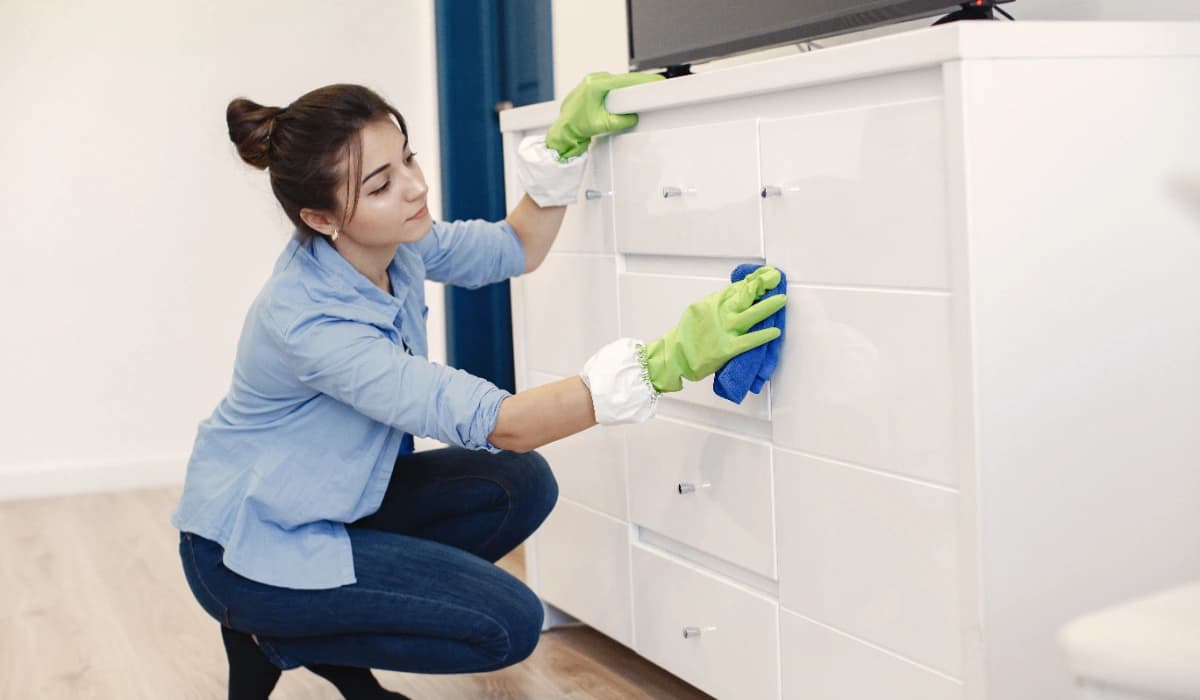
White kitchen cabinets instantly brighten a kitchen, but they also reveal grease, fingerprints, food splatters, and dust more easily than darker finishes. Knowing how to clean white kitchen cabinets correctly helps preserve their appearance without damaging the paint or finish. Whether your cabinets are painted wood, laminate, or MDF, using the right cleaning techniques can restore their shine and extend their lifespan.
This guide explains how to clean white kitchen cabinets safely using everyday household products, how to remove stubborn grease, and how to prevent yellowing so your kitchen always looks fresh and inviting.
Why White Kitchen Cabinets Need Regular Cleaning
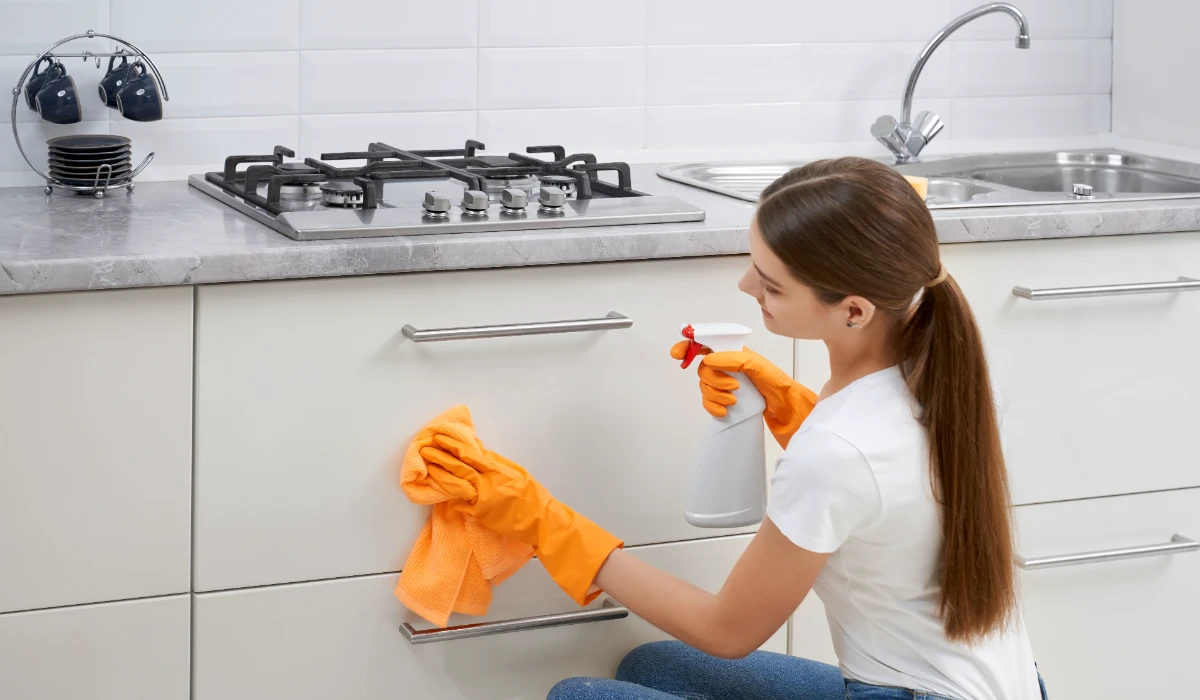
Kitchen cabinets are exposed to cooking oils, moisture, smoke, and daily handling. Over time, grease combines with dust, creating a sticky film that dulls white surfaces. Regular cleaning prevents stains from becoming permanent while keeping bacteria and allergens under control.
Cleaning cabinets every one to two weeks also reduces the need for harsh scrubbing, making maintenance easier and protecting the cabinet finish.
Supplies You'll Need
Before learning how to clean white kitchen cabinets, gather these supplies:
- Warm water
- Mild dish soap
- White vinegar
- Baking soda
- Microfiber cloths
- Soft sponge
- Spray bottle
- Soft toothbrush
- Dry towel
Avoid steel wool, abrasive scrubbers, bleach, and ammonia-based cleaners because they can scratch or discolor cabinet surfaces.
Step-by-Step Guide to Clean White Kitchen Cabinets
Remove Dust First
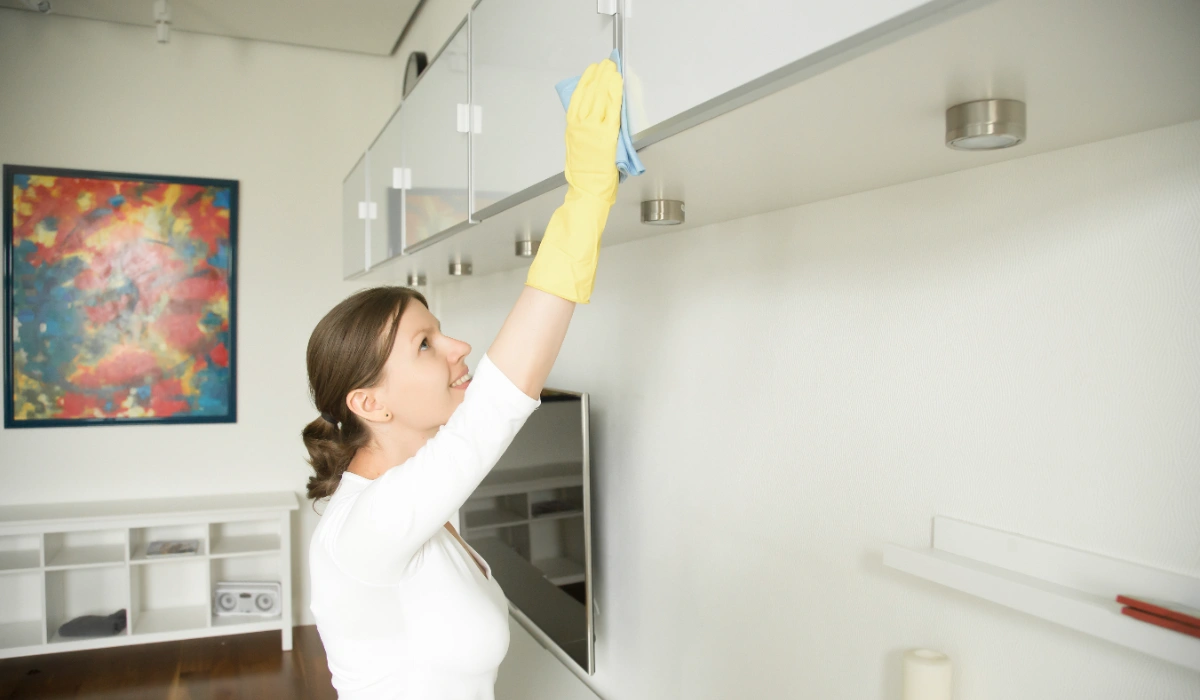
Start by wiping away loose dust and crumbs with a dry microfiber cloth. Cleaning dusty cabinets with a wet cloth can spread dirt and create streaks.
Prepare a Gentle Cleaning Solution
Mix a few drops of dish soap with warm water. This simple solution effectively removes everyday grease without harming painted or laminated finishes.
Wipe Every Surface
Dip a microfiber cloth into the cleaning solution and wring it out well. Wipe cabinet doors, drawer fronts, edges, and handles using gentle circular motions. Pay extra attention to cabinets above the stove since they collect the most grease.
Clean Corners and Crevices
Use a soft toothbrush to clean decorative grooves, hinges, and corners where grease and dust accumulate. This prevents grime from building up in hard-to-reach areas.
Dry Immediately
After cleaning, wipe every cabinet with a dry microfiber towel. Removing excess moisture helps prevent water damage, streaks, and swelling in wooden cabinets.
How to Remove Grease from White Kitchen Cabinets
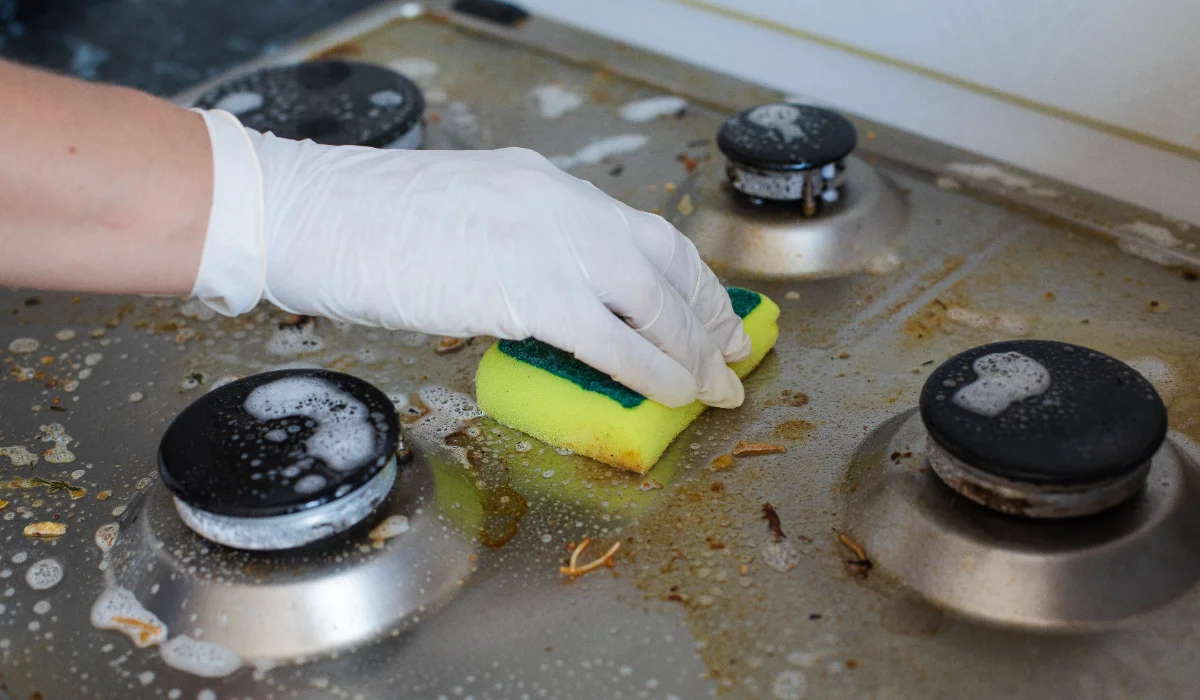
Grease is one of the biggest challenges when learning how to clean white kitchen cabinets. For stubborn buildup, mix equal parts white vinegar and warm water in a spray bottle. Spray lightly onto a cloth—not directly onto the cabinet—and gently wipe greasy areas.
For heavy grease, create a paste using baking soda and water. Apply it to the stain for a few minutes before wiping it away with a damp cloth. Always test any cleaner on a hidden area first.
Cleaning Schedule for White Kitchen Cabinets
| Cleaning TaskFrequency | |
| Dust surfaces | Weekly |
| Wipe cabinet doors | Weekly |
| Remove grease | Every 2 weeks |
| Clean handles | Weekly |
| Deep clean inside cabinets | Every 3 months |
Common Mistakes to Avoid
| Do | Avoid |
| Use microfiber cloths | Steel wool or abrasive pads |
| Clean with mild soap | Harsh chemical cleaners |
| Dry surfaces immediately | Leaving cabinets wet |
| Test new cleaners first | Scrubbing aggressively |
Tips to Keep White Cabinets Looking New
- Wipe spills immediately before they stain.
- Turn on the range hood while cooking to reduce grease buildup.
- Clean cabinet handles frequently because they collect oils from hands.
- Dust upper cabinets regularly to prevent sticky grime.
- Avoid excessive moisture around cabinet edges and joints.
Quick Cleaning Infographic
Dust → Wash with Mild Soap → Remove Grease → Clean Handles → Dry Completely → Repeat Weekly
Frequently Asked Questions
What is the best cleaner for white kitchen cabinets?
A mixture of warm water and mild dish soap is the safest option for routine cleaning. White vinegar works well for cutting grease when diluted properly.
Can I use vinegar on painted white cabinets?
Yes, but always dilute it with water and avoid prolonged contact. Never use full-strength vinegar on delicate painted finishes.
How often should white kitchen cabinets be cleaned?
Light cleaning every one to two weeks and a deep cleaning every three months keeps cabinets looking their best.
How do I remove yellow stains from white cabinets?
Wash the area with mild dish soap first. For stubborn discoloration, use a baking soda paste gently and avoid abrasive scrubbing that could damage the finish.
Is baking soda safe for white cabinets?
Yes, when mixed into a soft paste and applied gently. It helps lift stubborn stains without scratching most cabinet finishes.
Conclusion
Learning how to clean white kitchen cabinets doesn't require expensive products or harsh chemicals. Consistent maintenance with mild soap, warm water, and microfiber cloths is enough to remove grease, fingerprints, and everyday dirt while protecting the cabinet finish. By following a regular cleaning schedule and avoiding abrasive cleaners, you can keep your white kitchen cabinets bright, spotless, and looking like new for years to come.