How to Deep Clean Plank Flooring Livpristhome Safely
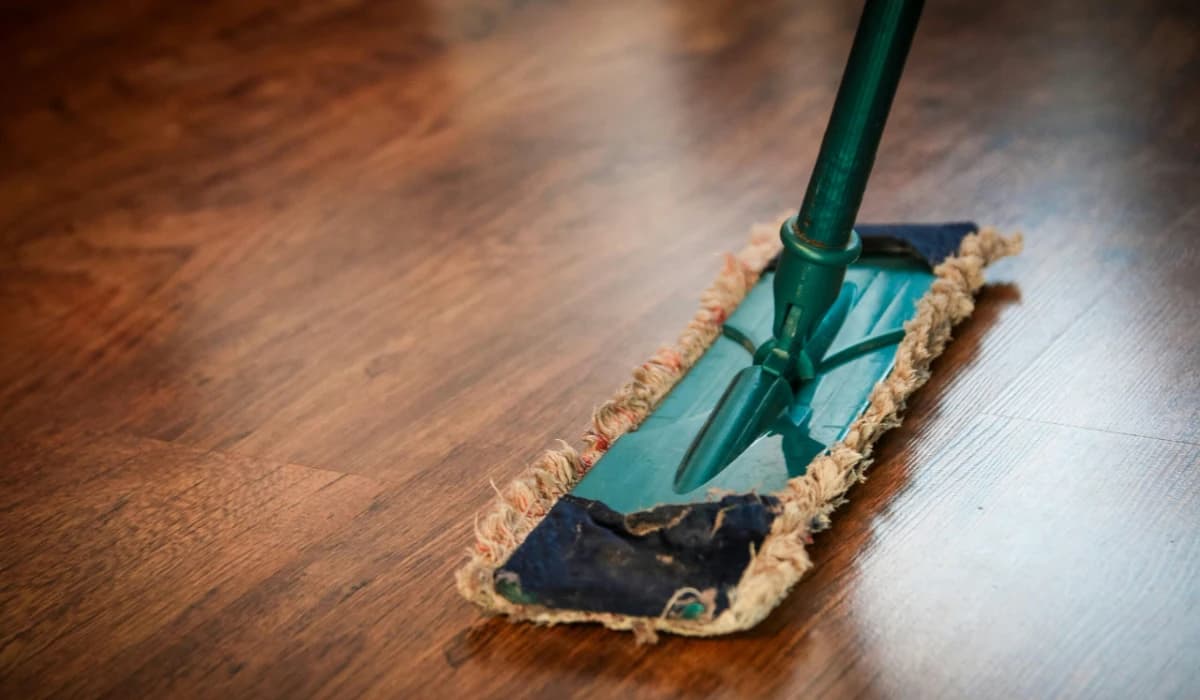
Knowing how to deep clean plank flooring livpristhome starts with identifying the type of plank floor you have. Luxury vinyl plank, laminate plank, engineered wood, and solid hardwood may look similar, but their resistance to moisture and cleaning products can be very different.
The safest approach is to remove loose debris first, use as little moisture as practical, and follow the flooring manufacturer's care instructions. For wood flooring, the National Wood Flooring Association recommends cleaning methods appropriate for the specific finish rather than treating every wood surface the same way.
How to Deep Clean Plank Flooring Livpristhome the Right Way
A deep clean should remove accumulated dust, greasy residue, footprints, and dirt from areas that routine sweeping does not fully address. It should not leave the floor saturated or expose the surface to unnecessarily aggressive chemicals.
Before starting, check the manufacturer's instructions if they are available. If you cannot identify the flooring material, determine whether it is vinyl plank, laminate, engineered wood, or solid hardwood before choosing a cleaning method.
Identify Your Plank Flooring
Luxury vinyl plank (LVP) is generally moisture-resistant, but excessive standing water can still reach seams, edges, or damaged areas. Laminate flooring has a wood-look surface over a composite core and can be vulnerable to water penetrating through joints.
Engineered and solid hardwood require greater moisture control because prolonged exposure to water can affect the wood or finish. Never assume that a cleaner designed for vinyl is automatically suitable for a wood floor.
Check the Manufacturer's Instructions
Manufacturer recommendations should take priority over generic cleaning recipes. They may specify approved cleaners, mop types, dilution ratios, and products that should be avoided.
If your flooring documentation is unavailable, look for the manufacturer's product information online using the exact flooring name or model. Avoid experimenting with strong chemicals on the entire floor.
What You Need Before Deep Cleaning Plank Floors
Gathering the correct equipment makes the process faster and reduces the risk of scratching or over-wetting the surface.
You will typically need:
- A soft-bristle broom or suitable vacuum
- Microfiber mop
- Clean microfiber cloths
- Manufacturer-approved floor cleaner
- Bucket, if the cleaning product requires one
- Soft brush for stubborn areas
- Clean water where appropriate
- Protective pads for moving furniture
Avoid abrasive scrubbers, steel wool, hard-bristle brushes, and excessive amounts of water.
Choose the Right Vacuum Attachment
A vacuum can remove particles that a broom may push around. Use a hard-floor setting or attachment designed to avoid scratching the surface.
Inspect the vacuum head before use. A trapped stone or piece of grit can create scratches as it moves across the floor.
Remove Loose Dirt Before Using Liquid
The first stage of how to deep clean plank flooring livpristhome should always be dry cleaning. Sand, grit, pet hair, and loose dust should be removed before introducing moisture.
Vacuum or sweep the entire floor, paying particular attention to corners, along baseboards, beneath furniture edges, and around room transitions.
Clean the Edges and Corners
Dirt frequently accumulates where the floor meets the wall or under cabinetry. Use a soft attachment or microfiber cloth to reach these areas.
Do not force sharp tools into flooring joints. Damaging an edge can create an opening where moisture and dirt can enter.
Choose a Compatible Cleaning Solution
The cleaning solution should match the floor type. A product that is safe for one material may damage another finish or leave an unwanted residue.
For example, wood floors generally require products formulated for finished wood rather than household detergents containing ingredients that may leave deposits or affect the finish.
Avoid Harsh Homemade Mixtures
Vinegar, bleach, ammonia, abrasive powders, and concentrated household cleaners are not universal floor-cleaning solutions. The fact that a mixture works on one household surface does not mean it is safe for plank flooring.
The U.S. Environmental Protection Agency also recommends following product labels and using cleaning products according to their intended instructions.
How to Deep Clean Plank Flooring Livpristhome Without Over-Wetting
Once loose debris is gone, damp cleaning can remove the thin film of residue that dry cleaning cannot handle. The mop should be damp rather than dripping.
Apply the cleaner according to its label or flooring manufacturer's instructions. Work in manageable sections instead of flooding the entire room.
Use a Microfiber Mop
Microfiber is useful because it can pick up fine particles while distributing a relatively small amount of cleaning solution across the surface.
Rinse or replace the mop pad when it becomes dirty. Reusing a heavily soiled pad simply spreads contamination from one section to another.
Work With the Floor's Direction
For wood-look planks, working along the length of the boards can make it easier to see missed areas and keep your cleaning pattern organized.
Do not repeatedly scrub the same area with excessive pressure. If a mark remains after normal cleaning, identify what caused it before increasing the strength of the cleaning method.
How to Remove Stubborn Marks From Plank Flooring
Deep cleaning does not mean aggressive scrubbing. Stubborn marks should be treated according to their type and the flooring material.
For ordinary surface residue, a compatible floor cleaner and microfiber cloth may be sufficient. Sticky substances may require gentle localized treatment rather than stronger chemicals across the entire room.
Treat Spills Quickly
Fresh spills are easier to remove than dried residue. Blot liquids promptly and avoid allowing them to remain on seams or around damaged edges.
For greasy spots, use only a cleaner approved for the specific flooring. Test an unfamiliar product in an inconspicuous location before applying it visibly.
Remove Scuff Marks Carefully
Rubber marks from shoes or furniture can sometimes be reduced with a soft microfiber cloth and an appropriate flooring cleaner.
Avoid abrasive erasers unless the flooring manufacturer specifically permits them. Aggressive rubbing can dull the surface or alter its sheen.
Deep Cleaning Different Types of Plank Flooring
The correct technique depends heavily on the material underneath the decorative surface.
| Flooring Type | Moisture Approach | Main Concern | Cleaning Priority |
| Luxury vinyl plank | Damp, controlled cleaning | Seams and residue | Regular debris removal |
| Laminate plank | Minimal moisture | Water entering joints | Quick spill removal |
| Engineered wood | Very limited moisture | Finish and wood movement | Manufacturer-approved cleaner |
| Solid hardwood | Very limited moisture | Finish and moisture damage | Finish-specific maintenance |
The table illustrates why how to deep clean plank flooring livpristhome cannot be reduced to one universal cleaning recipe.
Cleaning Luxury Vinyl Plank
LVP is generally practical for routine damp cleaning, but standing water should still be avoided. Cleaners should be compatible with the manufacturer's surface finish.
Pay attention to seams, transitions, and damaged boards where moisture could reach lower layers.
Cleaning Laminate Plank
Laminate should be cleaned with controlled moisture. Excess water can penetrate joints and potentially affect the core material.
Use a well-wrung microfiber mop and dry remaining moisture when necessary. Steam cleaning should only be used if the flooring manufacturer specifically approves it.
Cleaning Hardwood Plank Flooring
Hardwood requires more careful moisture management. The appropriate cleaning method depends partly on the floor's finish and manufacturer recommendations.
The National Wood Flooring Association provides maintenance guidance for wood flooring and emphasizes using appropriate cleaning practices for finished wood surfaces.
Clean Under Furniture Without Damaging the Floor
Furniture can hide dust and dirt for months, but moving heavy pieces incorrectly can create scratches or dents.
Use furniture sliders where appropriate and lift rather than drag objects whenever possible. Before moving a heavy item, check whether the furniture feet contain grit that could mark the flooring.
Protect the Floor After Cleaning
Felt pads under furniture legs can reduce scratching caused by everyday movement. Replace pads when they become compressed, dirty, or loose.
Do not use pads as a substitute for lifting heavy furniture during relocation. Sliding substantial weight across a plank floor can still damage the surface.
Pay Attention to Baseboards and Transitions
A deep-cleaning session should include the surrounding areas rather than concentrating exclusively on the center of the floor.
Baseboards, thresholds, transition strips, and corners can collect dust that eventually returns to the cleaned surface.
Clean Transition Areas Gently
Use a microfiber cloth around transitions and doorways. Avoid pushing water beneath metal or wood transition pieces.
If a transition is loose or damaged, repair it separately instead of repeatedly exposing the area to cleaning moisture.
How Often Should Plank Flooring Be Deep Cleaned?
There is no universal schedule because cleaning frequency depends on household traffic, pets, children, outdoor dirt, and the type of flooring.
Routine dust and debris removal should happen much more frequently than intensive cleaning. High-traffic entrances and kitchens may require attention sooner than lightly used bedrooms.
A practical approach is to deep clean when the normal cleaning routine no longer removes visible residue or when the surface begins to look dull despite regular maintenance.
Common Mistakes to Avoid
Understanding what not to do is just as important as knowing how to clean.
Using Too Much Water
More water does not necessarily mean a cleaner floor. Excess moisture can move into seams, edges, or vulnerable substrates.
Use the minimum moisture needed to remove the soil.
Using the Wrong Cleaner
Multi-purpose household cleaners can contain ingredients unsuitable for particular flooring finishes. Always verify compatibility before use.
Cleaning With a Dirty Mop
A contaminated mop redistributes dirt. Change or wash microfiber pads regularly during the cleaning process.
Scrubbing Too Aggressively
Pressure can damage a finish without solving the underlying problem. Identify the residue first and use the least aggressive suitable method.
Ignoring Spills Between Deep Cleans
Deep cleaning cannot compensate for poor daily maintenance. Prompt spill removal protects the floor and reduces the amount of intensive cleaning required later.
A Better Maintenance Routine After Deep Cleaning
Once the floor is thoroughly cleaned, maintaining it becomes easier if dirt is prevented from accumulating.
Place suitable mats near exterior entrances to capture grit before it reaches the floor. Vacuum or sweep high-traffic areas regularly and clean spills as soon as they occur.
Reduce Abrasive Dirt
Fine sand and grit can behave like abrasives under footwear and furniture. Entry mats and regular debris removal can therefore help preserve the surface.
Avoid using outdoor mats indoors unless they are designed for the purpose, because some backing materials can interact poorly with particular flooring surfaces.
Control Furniture Movement
Use appropriate protective pads under chairs and tables. For frequently moved chairs, inspect the feet regularly because accumulated grit can create repeated scratches.
When Deep Cleaning Is Not Enough
Sometimes a floor remains dull, stained, swollen, warped, or damaged after cleaning. This usually indicates a surface, installation, moisture, or material problem rather than simply insufficient cleaning.
Swollen laminate edges, cupped hardwood, damaged seams, deep scratches, or persistent discoloration may require repair or professional assessment.
Know When to Stop Cleaning
Do not repeatedly apply stronger chemicals because a stain does not disappear. Aggressive treatment can permanently damage a finish while leaving the underlying problem unresolved.
If the floor has water damage or significant surface deterioration, determine the cause before attempting another deep-cleaning cycle.
Pros and Cons of Deep Cleaning Plank Flooring
| Pros | Cons |
| Removes accumulated surface residue | Requires more time than routine cleaning |
| Improves the floor's appearance | Incorrect products can damage finishes |
| Helps maintain cleaner living spaces | Excess moisture can create problems |
| Reaches neglected areas | Some damage cannot be solved by cleaning |
| Supports regular maintenance | Manufacturer instructions must be followed |
A Simple Deep-Cleaning Workflow
For most plank floors, the safest general workflow is:
Inspect → Remove furniture obstacles → Vacuum or sweep → Treat localized spots → Prepare compatible cleaner → Damp mop in sections → Remove excess moisture → Allow the surface to dry → Replace furniture carefully.
This sequence minimizes the chance of trapping dirt beneath moisture and prevents unnecessary repeated cleaning.
FAQs About How to Deep Clean Plank Flooring Livpristhome
Can I use a steam mop on plank flooring?
Only if the flooring manufacturer specifically approves steam cleaning. Heat and moisture can be unsuitable for certain laminate, engineered wood, hardwood, and vinyl flooring systems.
Can I use vinegar to clean plank floors?
Do not assume vinegar is safe for every plank floor. Check the manufacturer's instructions first because flooring finishes and materials vary.
How do I clean plank flooring without leaving streaks?
Use the correct amount of compatible cleaner, avoid excessive product, and work with a clean microfiber pad. Residue and an overly wet mop are common causes of streaking.
What is the best mop for plank flooring?
A clean microfiber mop is a practical choice for many plank floors because it can clean effectively with controlled moisture. The exact mop and cleaning solution should still match the flooring manufacturer's recommendations.
How do I clean dirty plank flooring after construction work?
Remove dry dust and grit carefully before damp cleaning. Fine construction debris can scratch a floor if it is dragged across the surface with a wet mop.
Why does my floor still look dull after cleaning?
Residue buildup, finish wear, scratches, hard-water deposits, or surface damage may be responsible. Increasing the amount of cleaner can make residue problems worse, so identify the cause before changing the cleaning method.
Conclusion
Learning how to deep clean plank flooring livpristhome is primarily about using the correct technique for the material rather than relying on stronger cleaning products. Start with dry debris removal, use a compatible cleaner, control moisture, treat stubborn spots carefully, and protect the surface between deep-cleaning sessions.
The most important rule is simple: clean according to the flooring manufacturer's requirements. A controlled, material-specific approach can keep plank flooring looking better while reducing the risk of scratches, residue, moisture damage, and premature wear.