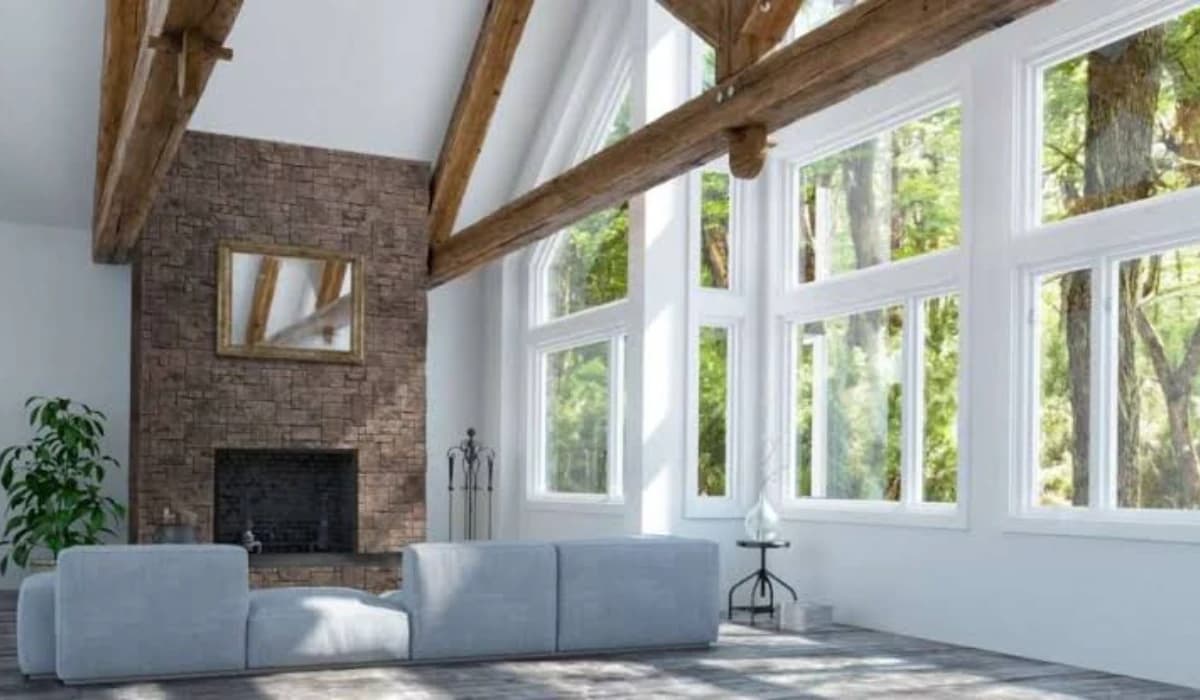
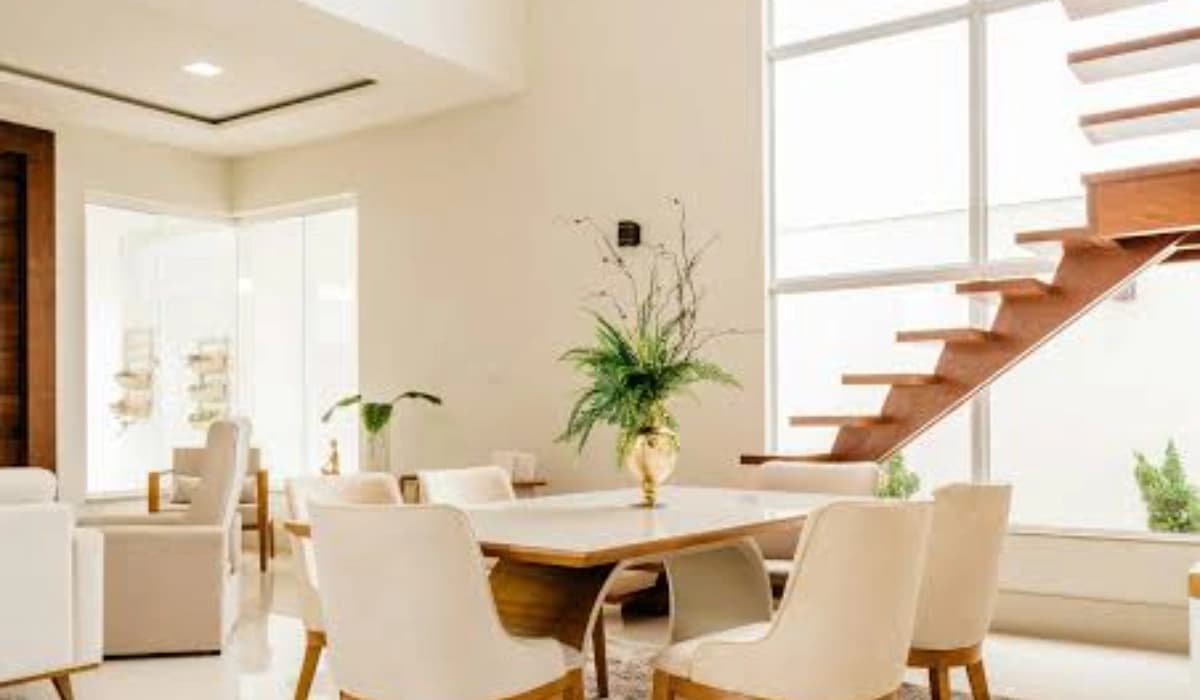
Why Interior Design Is Interesting Mintpaldecor
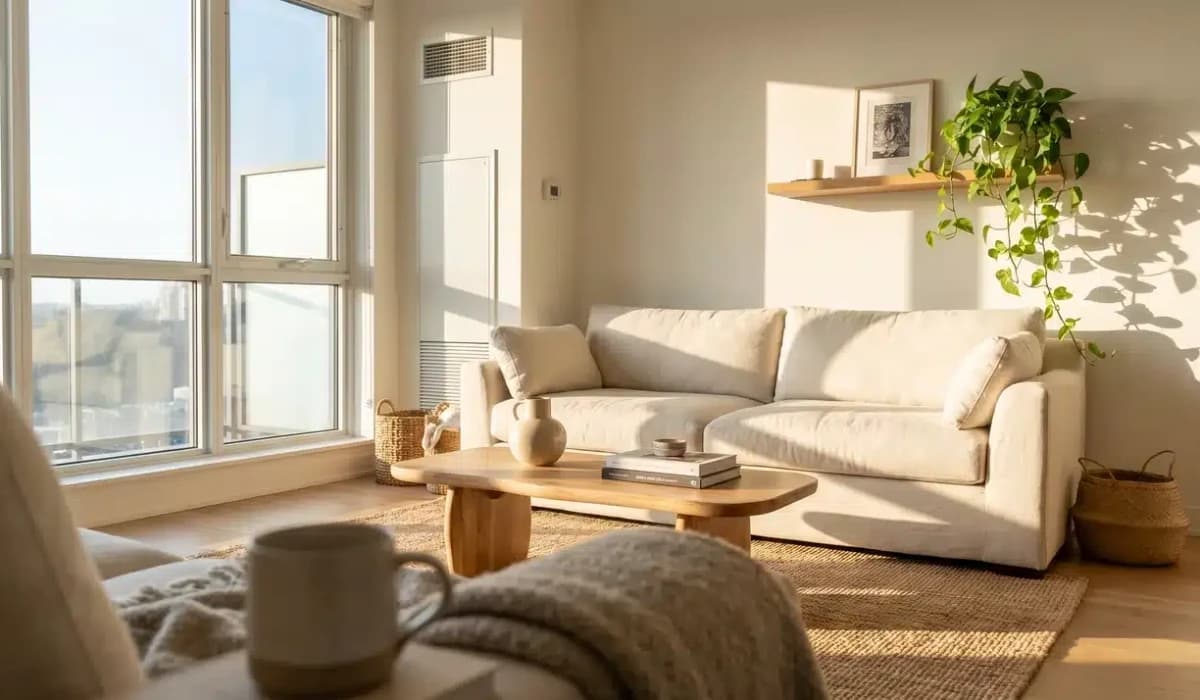
Why interior design is interesting mintpaldecor is a question that goes far beyond choosing attractive furniture or matching paint colors. Interior design combines creativity with practical problem-solving, allowing designers to transform ordinary spaces into environments that are functional, comfortable, and visually meaningful.
What makes the field especially fascinating is the way several disciplines come together. Architecture, psychology, lighting, materials, ergonomics, technology, color theory, sustainability, and personal lifestyle can all influence one interior. The result is a design process where even a small decision can change how an entire room looks and feels.
Why Interior Design Is Interesting Mintpaldecor for Creative People
Interior design provides an opportunity to turn abstract ideas into physical environments. Designers can begin with a mood, concept, color palette, architectural feature, or lifestyle requirement and gradually transform that idea into a finished space.
Unlike purely visual art, interior design also has to function in the real world. A successful room needs to look appealing while accommodating movement, furniture, storage, lighting, comfort, and everyday activities.
Creativity Has a Practical Purpose
Creativity in interior design is not simply about making something unusual. It involves finding an effective solution within real constraints such as room dimensions, budget, building structure, available materials, and the user's requirements.
For example, a small bedroom may require creative storage rather than additional decoration. A designer might use built-in cabinets, multifunctional furniture, vertical shelving, or an integrated workspace to make limited space more useful.
Every Room Can Tell a Different Story
An interior can communicate a particular mood or identity. Warm materials and soft lighting may create a relaxed atmosphere, while clean lines, neutral colors, and carefully controlled contrast can produce a modern appearance.
This storytelling element is one reason why interior design is interesting. Mintpaldecor becomes more apparent when you look beyond decoration. The designer is effectively creating an experience through physical surroundings.
Interior Design Combines Art and Science
Interior design is often described as an artistic discipline, but technical knowledge is equally important. Designers need to understand dimensions, proportions, lighting behavior, materials, building requirements, ergonomics, and spatial relationships.
This combination makes the field different from simply decorating a room. Decorative choices are important, but they must operate within a larger system.
The Artistic Side of Interior Design
The artistic component includes color selection, composition, texture, pattern, furniture style, artwork, accessories, and visual hierarchy.
Designers use these elements to establish a particular atmosphere. A restrained palette can create visual calm, while carefully controlled contrast can make architectural features more prominent.
The Technical Side of Interior Design
Technical decisions determine whether the design can actually work. Designers may need to consider electrical locations, lighting layouts, furniture clearances, material performance, ventilation, acoustics, and accessibility.
This relationship between creativity and technical planning makes interior design intellectually engaging as well as visually rewarding.
Space Planning Makes Interior Design a Problem-Solving Discipline
One of the most interesting aspects of interior design is space planning. Instead of simply asking what looks good, designers must determine how people will move through and use an environment.
A successful layout considers circulation, furniture dimensions, activity zones, access points, windows, doors, storage, and sightlines. These decisions can completely change the functionality of the same room.
Solving Problems in Small Spaces
Small rooms create particularly interesting design challenges. Limited floor area forces designers to prioritize essential functions and find ways to use every available section intelligently.
Vertical storage, furniture with multiple functions, sliding doors, concealed storage, and carefully positioned mirrors can help improve usability without making the room feel overcrowded.
Designing Open-Plan Interiors
Open-plan spaces create another challenge because one large area may need to support several activities. Designers can use furniture orientation, rugs, lighting, ceiling treatments, shelving, and material changes to establish visual zones.
The challenge is maintaining a sense of connection while ensuring that each zone has a clear purpose.
Psychology Explains Why Interior Design Affects How We Feel
The spaces around us can influence mood, behavior, concentration, relaxation, and perceived comfort. This psychological dimension gives interior design an important human element.
Color, lighting, spatial organization, acoustics, privacy, texture, and natural elements can all contribute to how an environment is experienced.
Color and Emotional Response
Different colors can create different visual impressions. Soft neutral tones may appear calming, while stronger colors can introduce energy or emphasis.
However, color psychology should not be treated as a rigid formula. Individual experiences, cultural associations, lighting conditions, and personal preferences all affect how someone responds to a color.
Lighting and Mood
Lighting is another major psychological factor. Bright, evenly distributed illumination can support active tasks, while softer layered lighting can create a more relaxed atmosphere.
Natural daylight also changes throughout the day, meaning the same room can appear and feel different from morning to evening.
Materials Make Interior Design Tactile
Interior design becomes more interesting when materials are considered not only visually but also through touch, sound, temperature, and durability.
Wood can introduce warmth, stone can provide visual solidity, glass can increase perceived openness, while textiles can add softness and acoustic comfort. Combining materials carefully creates depth within a space.
Texture Adds Visual Depth
A room using only smooth surfaces can appear visually flat. Introducing woven textiles, timber grain, stone surfaces, textured walls, or matte finishes can create additional layers.
Texture is especially useful in neutral interiors because it provides interest without requiring excessive color.
Material Selection Must Consider Performance
A material should be appropriate for the environment where it will be used. Kitchen surfaces, bathroom finishes, flooring, and upholstery all experience different levels of moisture, traffic, cleaning, and wear.
Therefore, an attractive material is not automatically a suitable material. Good interior design considers appearance and long-term performance together.
Interior Design Allows Personal Expression
A home should reflect the people who live in it rather than looking like a generic showroom. Personal belongings, artwork, collections, furniture preferences, colors, and cultural influences can give an interior an individual identity.
This is another important reason Why interior design is interesting mintpaldecor: there is rarely one correct visual solution for a room.
Designing Around Lifestyle
A household that frequently entertains guests may need flexible seating and an open social area. Someone who works from home may prioritize acoustic control, ergonomic furniture, and dedicated task lighting.
The same room can therefore require completely different solutions depending on its occupants.
Combining Personal Style With Design Principles
Personal expression works best when supported by sound design principles. A favorite color or artwork can become a focal point without dominating the entire room.
The goal is not to remove personality for the sake of consistency. Instead, professional design uses structure to help personal elements feel intentional.
Interior Design Is Interesting Because Trends Keep Evolving
Design is constantly influenced by changes in technology, lifestyles, materials, environmental concerns, and cultural preferences. This means there is always something new to study.
However, successful designers do not simply copy every trend. They evaluate whether a new idea provides genuine value for the people using the space.
From Trend to Timeless Design
Trendy colors and furniture can quickly become dated. More durable design decisions often come from timeless proportions, quality materials, functional layouts, and adaptable spaces.
Trends can still be introduced through easily replaceable elements such as cushions, artwork, accessories, and smaller decorative pieces.
Technology Is Changing Interior Design
Digital tools have made it easier to visualize spaces before construction or installation. Computer-aided design, 3D modeling, rendering, virtual walkthroughs, and smart-home technology are changing how designers plan and communicate ideas.
Technology can reduce uncertainty by allowing clients to see potential layouts and finishes before committing to expensive changes.
Sustainability Makes Modern Interior Design More Meaningful
Environmental responsibility has become an increasingly important part of design. Designers can consider material sourcing, product lifespan, energy use, waste reduction, indoor air quality, and adaptability.
Sustainable design is not simply about adding plants or choosing a particular aesthetic. It involves making decisions that can reduce unnecessary resource consumption while maintaining performance and comfort.
Choosing Durable Materials
Long-lasting materials can reduce the frequency of replacement. This can be beneficial both financially and environmentally when products are selected appropriately for their intended use.
Designers should also consider maintenance requirements because a material that requires excessive replacement or specialized care may not be practical for a particular household.
Designing for Adaptability
A flexible interior can remain useful as needs change. Movable furniture, adaptable storage, multifunctional rooms, and accessible layouts can extend the useful life of a space.
This approach is particularly valuable in homes where occupants' needs may change over time.
Lighting Design Adds Another Layer of Creativity
Lighting can transform the appearance of architecture, furniture, materials, and colors. It can also establish hierarchy by directing attention toward specific features.
A thoughtful lighting plan usually combines different layers rather than relying on one source.
Ambient Lighting
Ambient lighting provides general illumination throughout a room. Ceiling fixtures, recessed lights, wall-mounted fixtures, and other broad sources can contribute to this layer.
The appropriate intensity depends on the room's activities and desired atmosphere.
Task Lighting
Task lighting provides focused illumination where specific activities take place. Examples include kitchen work surfaces, reading areas, bathroom mirrors, and home-office desks.
Correct placement is more important than simply increasing brightness.
Accent Lighting
Accent lighting highlights selected features such as artwork, architectural details, shelves, plants, or textured surfaces.
It can add depth and help establish a focal point within an otherwise evenly illuminated room.
Proportion, Scale, and Balance Make Spaces Feel Right
A room can contain expensive furniture and attractive finishes yet still feel uncomfortable when the proportions are incorrect. Scale and proportion determine whether objects relate appropriately to the room and to one another.
Balance then distributes visual weight so that the composition does not feel excessively heavy on one side.
Scale
Scale considers the relationship between an object's size, the surrounding space, and human dimensions. A large sectional may suit a spacious room but overwhelm a compact living area.
Proportion
Proportion concerns the relationship between parts of a composition. Furniture, artwork, lighting, architectural elements, and accessories should relate to one another rather than appearing randomly sized.
Balance
Balance can be symmetrical, asymmetrical, or radial. It does not necessarily mean matching objects; it means creating sufficient visual stability within the overall composition.
Why Interior Design Is Interesting Mintpaldecor as a Career
Interior design can be an engaging career because projects rarely present exactly the same requirements. A residential renovation, restaurant, hotel, office, retail store, or healthcare environment can involve completely different priorities.
Designers may work with clients, architects, contractors, suppliers, manufacturers, engineers, and other specialists. This creates variety in both creative and technical responsibilities.
Skills Interior Designers Develop
Interior design can involve skills such as:
- Space planning
- Technical drawing
- 3D visualization
- Material selection
- Color theory
- Lighting design
- Client communication
- Project coordination
- Budget awareness
- Research and trend analysis
The combination of these skills allows professionals to move between creative concepts and practical implementation.
What Makes a Good Interior Design Concept?
A strong concept gives the project a clear direction. It does not have to be complicated; it simply needs to establish relationships between function, atmosphere, materials, colors, forms, and the user's needs.
A concept becomes more effective when it can guide multiple design decisions rather than existing only as a decorative theme.
Start With the User
The first consideration should be the people using the space. Their routines, preferences, limitations, storage needs, and activities provide valuable design information.
This user-centered approach prevents designers from creating visually impressive rooms that do not function well.
Build a Visual Hierarchy
Not every element should compete for attention. A clear focal point, supporting elements, and quieter background features can create a more organized visual experience.
Hierarchy can be created through size, contrast, color, lighting, placement, or architectural emphasis.
Common Reasons People Find Interior Design Fascinating
The appeal of interior design comes from its combination of different forms of thinking. Someone interested in art may enjoy composition and color, while someone interested in engineering may appreciate spatial planning, materials, lighting, and technical details.
Other people enjoy the psychological and social side because environments influence how people interact with one another.
It Creates Visible Results
Few creative disciplines provide such a direct transformation. A poorly organized room can become efficient and inviting through changes to layout, lighting, storage, furniture, and materials.
Seeing a concept develop from measurements and drawings into a finished environment can be particularly rewarding.
There Is Rarely One Correct Solution
Interior design problems can have several valid answers. Two designers may approach the same room differently while both producing functional and attractive results.
This flexibility encourages experimentation, evaluation, and continuous learning.
A Practical Way to Explore Interior Design
You do not need to redesign an entire house to understand the principles of interior design. Start with one room and examine it systematically.
Step 1: Study the Existing Space
Measure the room and identify fixed features such as doors, windows, electrical outlets, radiators, built-ins, and structural elements.
Step 2: Identify Problems
Ask what currently does not work. Is circulation difficult? Is storage insufficient? Does the lighting create glare? Is furniture poorly scaled?
Step 3: Define the Desired Experience
Decide how you want the room to feel and what activities it needs to support. This creates a practical basis for later aesthetic decisions.
Step 4: Test Multiple Layouts
Sketch several furniture arrangements before making purchases. Comparing alternatives can reveal solutions that are not immediately obvious.
Step 5: Refine the Visual Details
After the layout works, consider colors, materials, lighting, textiles, artwork, and accessories.
Interior Design Principles at a Glance
| Principle | What It Controls | Why It Matters |
| Function | How the room is used | Improves usability |
| Space planning | Layout and movement | Creates efficient circulation |
| Scale | Size relative to space | Prevents visual imbalance |
| Proportion | Relationships between elements | Creates coherence |
| Balance | Distribution of visual weight | Provides stability |
| Rhythm | Repetition and movement | Guides the eye |
| Emphasis | Focal points | Creates hierarchy |
| Harmony | Relationships between elements | Produces unity |
| Lighting | Visibility and atmosphere | Improves comfort |
| Texture | Tactile and visual depth | Adds character |
Frequently Asked Questions
Why interior design is interesting mintpaldecor?
Why interior design is interesting mintpaldecor can be explained through its combination of creativity and practical problem-solving. It allows people to influence how a space looks, functions, feels, and supports everyday life.
Is interior design only about decoration?
No. Decoration is only one part of interior design. Professional interior design can involve space planning, ergonomics, lighting, materials, technical documentation, functionality, safety, accessibility, and project coordination.
Why is space planning important?
Space planning determines how people, furniture, activities, and circulation paths interact. A strong layout can improve usability before any decorative elements are added.
How does interior design affect mood?
Lighting, color, texture, acoustics, spatial organization, natural elements, and personal associations can influence how an environment is perceived. The effect varies between individuals and contexts.
What makes interior design different from interior decorating?
Interior decorating primarily focuses on the appearance and furnishing of an existing space. Interior design has a broader scope and can address spatial organization, functional requirements, materials, lighting, technical considerations, and the relationship between the built environment and its occupants.
Why are scale and proportion important?
They help objects relate appropriately to the room and to one another. Incorrect scale or proportion can make an interior feel cramped, empty, unbalanced, or visually disconnected.
Can interior design be both modern and timeless?
Yes. A timeless foundation can be created through good proportions, functional planning, quality materials, and adaptable furniture. Contemporary trends can then be incorporated through elements that are easier to replace.
Does sustainable interior design have to be expensive?
Not necessarily. Sustainability can involve repairing and reusing existing furniture, selecting durable materials, reducing unnecessary purchases, improving energy efficiency, and designing spaces that can adapt over time.
Conclusion
Why interior design is interesting mintpaldecor is ultimately answered by the field's unique combination of creativity, technical knowledge, psychology, functionality, and personal expression. It is not simply about making a room look attractive; it is about understanding how an environment works and then shaping that environment around human needs.
From space planning and ergonomics to lighting, materials, color, sustainability, and technology, every design decision can influence the final experience. The most interesting interiors are often those where practical solutions and creative ideas work together so naturally that the functionality becomes part of the beauty.
Interior design continues to evolve because lifestyles, technologies, materials, and environmental priorities continue to change. That constant combination of problem-solving and creativity is what makes the discipline valuable, challenging, and endlessly interesting.