What Is the Most Important Thing in Interior Design Mintpalment?
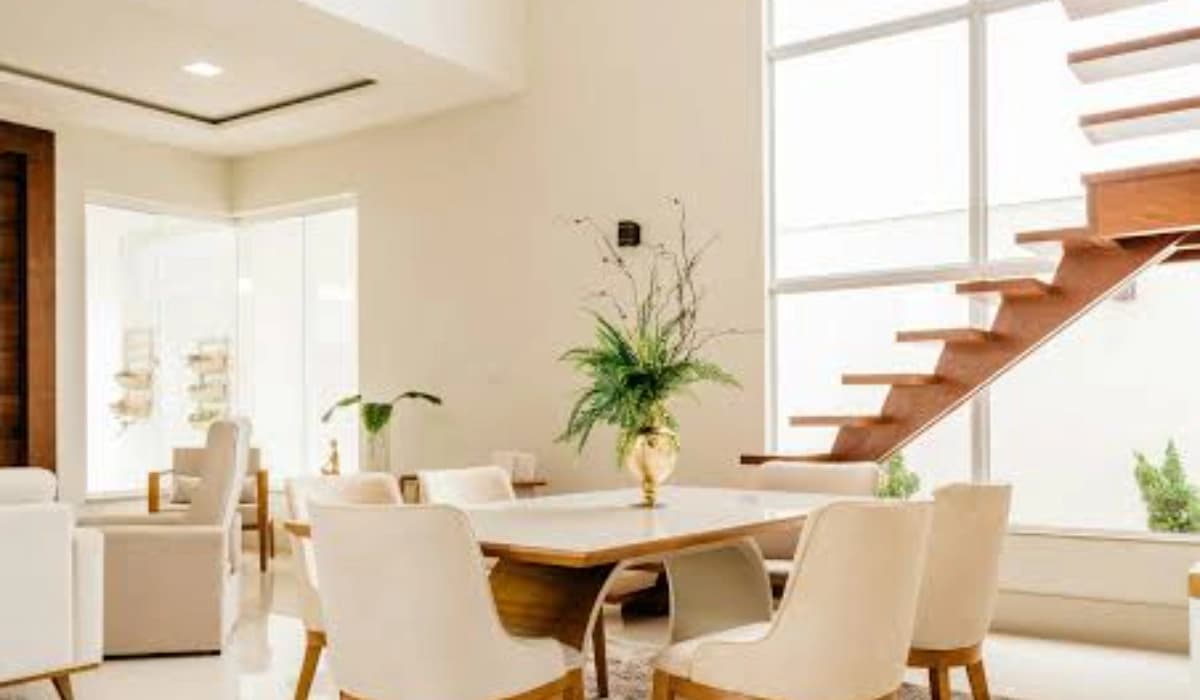
When homeowners ask what is the most important thing in an interior design mintpalment, the answer is not simply a beautiful color, expensive sofa, or fashionable decoration. Great interior design starts with creating a space that works for the people who use it while also feeling comfortable, balanced, and visually appealing.
The strongest approach is to begin with purpose and space planning, then build the room around movement, furniture scale, lighting, materials, color, comfort, and personal style. This order matters because even attractive furniture and expensive finishes cannot rescue a room with a poor layout. Professional space-planning guidance likewise emphasizes understanding how a space will be used and how people move through it before making detailed design decisions.
What Is the Most Important Thing in Interior Design Mintpalment?
The most important thing is function working together with visual harmony. A successful interior should make everyday activities easier without sacrificing the atmosphere, personality, and beauty that make a house feel like home.
That means asking practical questions before decorating: Who uses the room? What activities happen there? Where do people walk? What needs to be stored? Where does natural light enter? What should the room feel like? These questions provide a stronger foundation than choosing a style simply because it is trending.
Why Function Should Come Before Decoration
Decoration is the visible layer of a room, but function determines whether that room actually works. A living room may have attractive artwork and coordinated cushions, yet still feel uncomfortable if people cannot move easily or the seating arrangement does not support conversation.
Think about the room as a tool for everyday life. A bedroom should support rest, a kitchen should support preparation and storage, and a home office should support concentration. When the purpose is clear, furniture, lighting, colors, and accessories become much easier to choose.
Start With the Room's Purpose
Before purchasing anything, write down the main activities that take place in the room. A space can have more than one purpose, but each function should be considered during planning.
For example, a living room might need to accommodate television viewing, conversation, reading, children's activities, and occasional guests. Those requirements will influence seating, circulation, storage, lighting, and even the position of electrical outlets.
Design Around Real Habits
A room should reflect how people actually live rather than how a showroom looks. If your family regularly gathers around a coffee table, leave enough usable space around it. If books are frequently used, place storage where it is convenient rather than hiding everything simply to maintain a minimalist appearance.
This people-first approach is one of the strongest answers to what is the most important thing in interior design mintpalment because design becomes practical rather than purely decorative.
Space Planning Is the Foundation
Space planning determines how furniture, circulation routes, storage, doors, windows, and activity zones relate to one another. Houzz's professional guidance describes space planning as a process that balances form and function while considering how homeowners use and move through a space.
A good layout can make a modest room feel considerably more comfortable without changing its dimensions. Conversely, oversized furniture or poorly positioned pieces can make a large room feel cramped.
Plan Movement Before Furniture
Imagine the main walking routes through the room before deciding where every chair or table will go. People should be able to enter, sit, work, open doors, and reach storage without constantly moving around obstacles.
Pay particular attention to entrances and high-traffic areas. Kitchens, hallways, and living rooms often require more circulation planning because several activities may happen simultaneously.
Use Positive and Negative Space
Positive space is occupied by furniture or objects, while negative space is the open area around them. Both are important.
Leaving some breathing room around major furniture helps the room feel organized rather than overloaded. Empty space is not wasted space when it improves circulation, visual clarity, or comfort.
Scale and Proportion Can Make or Break a Room
One of the biggest differences between an amateur-looking room and a professionally considered room is often scale. A sofa can be beautiful on its own but look completely wrong if it overwhelms a small living room.
Proportion describes the relationship between elements, while scale considers how those elements relate to the room and the people using it. Professional space-planning guidance recommends considering both when selecting and arranging interior elements.
Measure Before You Buy
Do not rely only on photographs or showroom impressions. Measure the room, doorways, windows, walls, and intended furniture locations before ordering large pieces.
Also measure the furniture itself. A few minutes with a tape measure can prevent an expensive mistake, especially with sofas, dining tables, wardrobes, beds, and rugs.
Create a Visual Hierarchy
Not everything in a room should compete for attention. Choose one or two dominant elements and allow supporting pieces to remain visually quieter.
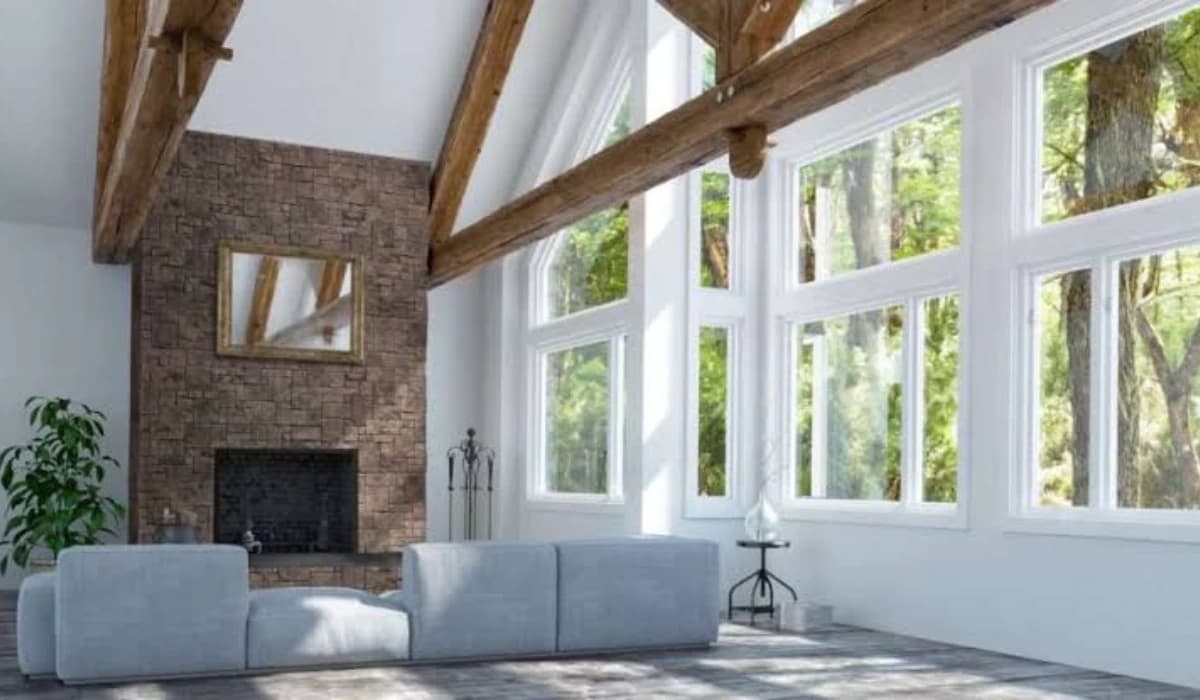
A large window, fireplace, artwork, architectural feature, or statement light can become a focal point. The rest of the room should support that focal point instead of competing with it.
Lighting Is More Than Brightness
Lighting Home upgrades Mintpalment deserves special attention because it affects both the function and perception of an interior. Natural and artificial light can influence how colors, textures, dimensions, and architectural features appear.
A room with beautiful furniture can still feel flat when it depends on a single harsh ceiling fixture. A layered lighting plan gives you more control over visibility, atmosphere, and emphasis.
Use Three Layers of Light
A practical lighting plan generally combines:
- Ambient lighting for overall illumination
- Task lighting for activities such as reading, cooking, or working
- Accent lighting for artwork, architectural details, plants, or decorative features
Different rooms need different combinations. A kitchen may need stronger task lighting, while a bedroom can benefit from softer ambient and bedside lighting. Houzz also recommends considering the purpose of the room before deciding how it should be illuminated.
Work With Natural Light
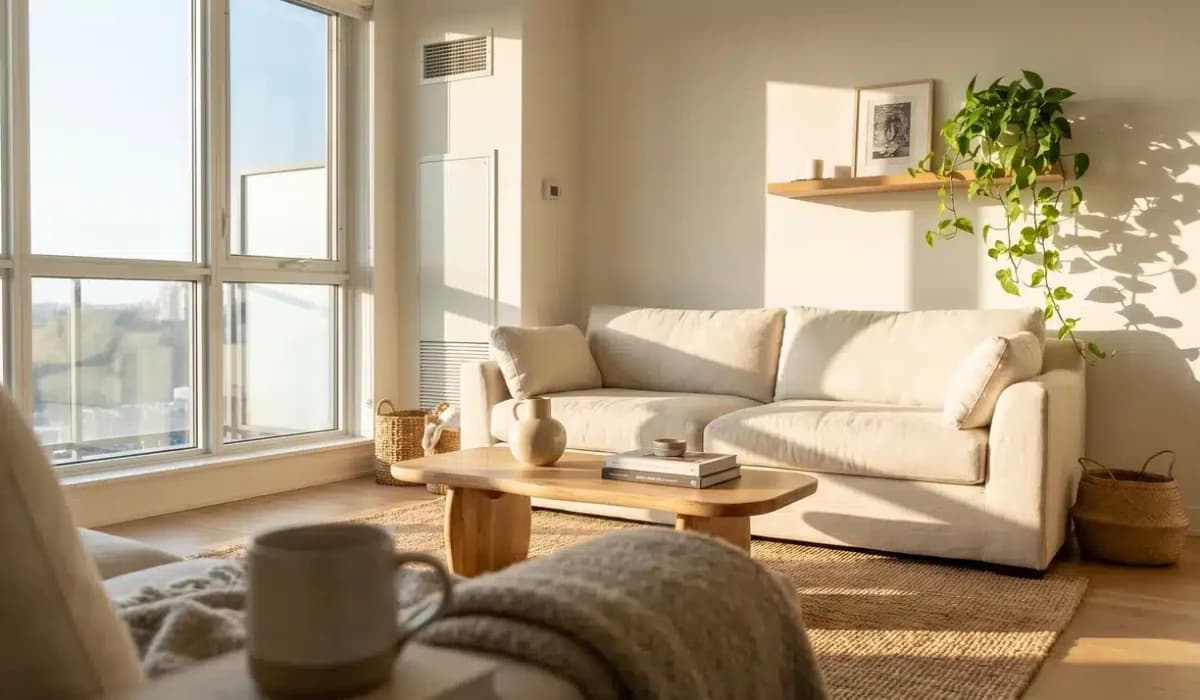
Observe the room at different times of day before selecting major colors and finishes. A wall that looks warm in morning sunlight can appear noticeably different under artificial lighting at night.
Instead of fighting the available daylight, use window treatments, reflective surfaces, furniture placement, and artificial lighting to complement it.
Color Should Support the Space
Color is powerful, but it should not be the first decision in every room. The amount of natural light, room size, furniture, flooring, and intended mood all affect how a color will appear.
Rather than choosing a paint color from a small sample and immediately covering the walls, test it in the actual room. Look at the sample in daylight and artificial light before committing.
Build a Practical Color Palette
A useful palette usually contains a dominant color, supporting colors, and smaller accents. The exact proportions do not need to follow a rigid formula.
The goal is consistency rather than mathematical perfection. Colors should relate to the architecture, furnishings, flooring, textiles, and lighting instead of appearing as unrelated selections.
Comfort Is a Design Requirement
A beautiful room that is uncomfortable will eventually become frustrating. Seating height, mattress quality, desk dimensions, lighting position, temperature, acoustics, and ease of movement can all influence how enjoyable a room is.
Comfort also depends on the individual. A reading chair that works perfectly for one person may not suit another person's height, posture, or habits.
Choose Furniture for Real Use
Do not select furniture based solely on appearance. Sit on chairs and sofas when possible, test storage access, consider maintenance, and think about how frequently each piece will be used.
For households with children or pets, practical fabrics, rounded edges, washable surfaces, and secure furniture can be more valuable than delicate finishes.
Consider Ergonomics
Ergonomics means fitting the environment to the people using it. Desk height, chair support, kitchen work surfaces, bed access, and lighting position should all be considered from this perspective.
This is particularly important in spaces where people spend several hours each day, such as home offices, kitchens, bedrooms, and living rooms.
Materials and Texture Add Depth
Once layout, scale, and lighting are working, materials and textures can give the room character. Wood, stone, metal, glass, wool, cotton, linen, and other finishes each reflect or absorb light differently and contribute to the atmosphere.
Using only one texture can make a room feel flat, while using too many unrelated finishes can make it chaotic. The objective is controlled variety.
Mix Textures Without Losing Cohesion
A room can combine smooth furniture with woven textiles, natural wood with metal accents, or matte finishes with carefully selected reflective surfaces.
Repeat certain materials or tones throughout the room so the combinations feel intentional. This creates continuity without making everything identical.
Balance Creates Visual Stability
Balance is another central principle when considering what is the most important thing in interior design mintpalment. It determines whether a room feels stable and cohesive or visually heavy on one side.
Balance can be symmetrical, asymmetrical, or radial. Each creates a different effect, but all can produce a sense of order when the visual weight of the room is properly controlled.
Symmetrical Balance
Symmetrical arrangements repeat similar elements around a central axis. Matching lamps on either side of a bed or identical chairs facing a central table are familiar examples.
This approach often creates a formal and orderly atmosphere.
Asymmetrical Balance
Asymmetrical balance uses different objects with comparable visual weight. A large artwork might balance several smaller objects, for example.
This method can feel more relaxed and contemporary while still providing visual stability.
A Focal Point Gives the Room Direction
Every room benefits from a clear visual priority. Without one, the eye may move randomly from object to object.
A focal point could be a fireplace, large window, artwork, architectural feature, bed, dining table, or statement light. Space-planning principles also recommend using focal points to establish the visual direction of a room.
Avoid Too Many Statement Pieces
If everything is designed to attract attention, nothing becomes truly important. Choose one dominant feature and let secondary elements support it.
This is especially useful in smaller rooms where visual competition can quickly make the space feel cluttered.
Personal Style Should Be Part of the Design
Interior design should not make your home look like a showroom with no connection to the people who live there. Personalization gives a space identity.
Family photographs, artwork, books, collected objects, travel pieces, favorite colors, and meaningful furniture can make an interior feel authentic.
Follow Trends Carefully
Trends can provide inspiration, but they should not dictate every decision. A fashionable color or furniture shape may look impressive online while being unsuitable for your room or lifestyle.
Use trends as accents when appropriate and build the foundation around timeless needs such as comfort, proportion, storage, functionality, and quality.
Storage Is Part of Good Interior Design
Storage is often treated as an afterthought, but it can directly affect how a room looks and functions. When frequently used belongings have no logical home, clutter accumulates regardless of how attractive the decoration is.
Integrate storage into the planning stage. Professional space planning considers storage alongside activities, circulation, furniture, doors, windows, and other practical requirements.
Make Storage Easy to Use
The best storage is not simply large; it is accessible and located where the stored items are needed. Everyday objects should be easier to put away than to leave on a surface.
Use a combination of closed cabinets, drawers, shelves, baskets, and built-in solutions according to the room's requirements.
Common Interior Design Mistakes to Avoid
Understanding mistakes can be just as valuable as learning design principles. Many disappointing rooms result from making individual choices without considering how those choices interact.
Buying Furniture Before Measuring
A piece can look perfect in a showroom and still be completely unsuitable for your room. Measure both the furniture and the path it must travel through during delivery.
Ignoring Lighting
Poor lighting can undermine otherwise good design. Current professional guidance emphasizes that lighting affects atmosphere, function, and the perception of interior elements.
Filling Every Empty Area
Empty space can provide visual breathing room. Adding accessories simply because a surface looks empty can create clutter instead of improving the design.
Choosing Style Before Function
A room should support daily life before it tries to impress visitors. Start with use, movement, storage, and comfort, then develop the visual style around those requirements.
A Simple Order for Designing Any Room
If you are unsure where to begin, use this sequence instead of buying decorative pieces immediately:
- Define the room's primary purpose.
- Measure the space and identify doors, windows, outlets, and fixed features.
- Map circulation and important activity zones.
- Select furniture according to scale and function.
- Establish a focal point.
- Plan natural and artificial lighting.
- Choose colors and materials.
- Add texture and personality.
- Organize storage.
- Remove anything that does not contribute to the room.
This sequence reduces random purchases and helps each decision support the next.
Quick Comparison: What Matters Most?
| Interior Design Element | Main Purpose | Priority |
| Purpose & function | Makes the room useful | Very High |
| Space planning | Controls layout and movement | Very High |
| Scale & proportion | Keeps elements visually appropriate | Very High |
| Lighting | Shapes function, mood, and perception | Very High |
| Comfort | Supports everyday use | High |
| Color | Establishes atmosphere | High |
| Materials & texture | Adds depth and character | High |
| Storage | Controls organization | High |
| Decoration | Adds personality and finishing detail | Medium |
The table shows why there is no single decorative trick that solves every interior problem. The strongest rooms result from several elements working together in the correct order.
How to Make a Small Room Feel Better
Small rooms require more discipline because every piece occupies a meaningful amount of visual and physical space. The goal is not to fill the room efficiently but to make the available space work harder.
Use furniture that fits the room rather than automatically choosing the largest available option. Keep circulation clear, use storage intelligently, and allow some negative space around important pieces.
Use Light Strategically
Light can help a small room feel more open and can emphasize architectural depth. Mirrors and reflective surfaces can also influence how light moves through a space, but they should be used deliberately rather than covering every available wall.
Reduce Visual Clutter
A small room rarely needs numerous decorative objects. Select fewer pieces with greater meaning or visual impact.
This is where editing becomes more valuable than adding. Removing an unnecessary chair, accessory, or piece of furniture can sometimes improve the room more than buying something new.
How to Create a Beautiful Room on a Budget
Good interior design does not require every item to be expensive. Planning often produces a bigger improvement than simply increasing the budget.
Prioritize changes that affect the entire room: layout, lighting, furniture placement, paint, storage, and textiles. Then spend more selectively on pieces that receive heavy daily use or have long-term importance.
Improve Before Replacing
Before buying new furniture, experiment with rearranging what you already own. Change the lighting, remove unnecessary objects, move artwork, or reposition seating.
This approach helps you understand what the room actually needs before spending money.
What Makes Interior Design Feel Professional?
Professional-looking interiors are rarely created by one secret rule. They usually result from consistency, proportion, controlled visual weight, appropriate lighting, clear circulation, and intentional material choices.
The most important difference is often that every major decision has a reason. Furniture supports an activity, lighting serves a purpose, colors relate to materials, and decoration reinforces the personality of the space.
Frequently Asked Questions
What is the most important thing in interior design mintpalment?
The strongest answer is function supported by thoughtful space planning and visual harmony. A room should first work for the people using it, then use proportion, lighting, color, materials, comfort, and decoration to create an attractive environment.
Is layout more important than color in interior design?
In most projects, layout should be addressed first because it determines movement, furniture placement, activity zones, and available space. Color can then support the atmosphere created by the layout rather than trying to compensate for a poor arrangement.
Why is lighting important in interior design?
Lighting affects visibility, mood, color appearance, texture, depth, and the way architectural features are perceived. A layered lighting plan can make a room more flexible and visually engaging.
Should I choose furniture or paint first?
It is usually easier to select major furniture and understand the room's lighting and material relationships before committing to a final paint color. Paint can then be tested against the actual furnishings and light conditions.
How can I improve my interior design without renovating?
Start with layout and decluttering. Rearrange furniture, improve lighting, adjust textiles, organize storage, refine artwork placement, and remove pieces that do not contribute to the room.
Does good interior design have to follow current trends?
No. Trends can provide inspiration, but successful design should respond to the room, the occupants, and their daily needs. A well-planned timeless space can remain useful and attractive long after a particular trend disappears.
What is the difference between decoration and interior design?
Decoration focuses mainly on the visual layer, including colors, accessories, textiles, and decorative objects. Interior design considers the broader relationship between space, function, circulation, furniture, lighting, materials, comfort, and appearance.
Conclusion
So, what is the most important thing in interior design mintpalment? The best answer is not one isolated feature but a clear hierarchy: design the space around its purpose, make the layout work, respect scale and proportion, plan the lighting, then develop color, materials, comfort, storage, and personal style around that foundation.
A successful interior should make everyday life easier while creating an environment that feels balanced and personal. When every design choice has a purpose, you do not need excessive decoration or an enormous budget to create a room that looks considered, functions well, and feels genuinely like home.