Interior Decoration Tips Mintpaldecor for Modern Houses
A home should do more than look attractive in photographs. It should feel comfortable when you wake up, function smoothly during busy days, and remain inviting when friends or family arrive. That is where thoughtful interior decoration tips mintpaldecor can make a meaningful difference. Good decorating is not necessarily about buying expensive furniture or following every new trend. It is about making appropriate decisions for the size, purpose, lighting, and personality of each room.
Whether you are furnishing a newly purchased property, refreshing an older house, or improving a rental, you can achieve a noticeable transformation by working systematically. Start with the room's function, establish a practical layout, select a coordinated color palette, improve lighting, and then introduce furniture and accessories.
This guide explains how to approach interior decoration from planning through finishing touches while avoiding common mistakes that make rooms feel crowded, disconnected, or uncomfortable.
What Makes a Well-Decorated Home Feel Different?
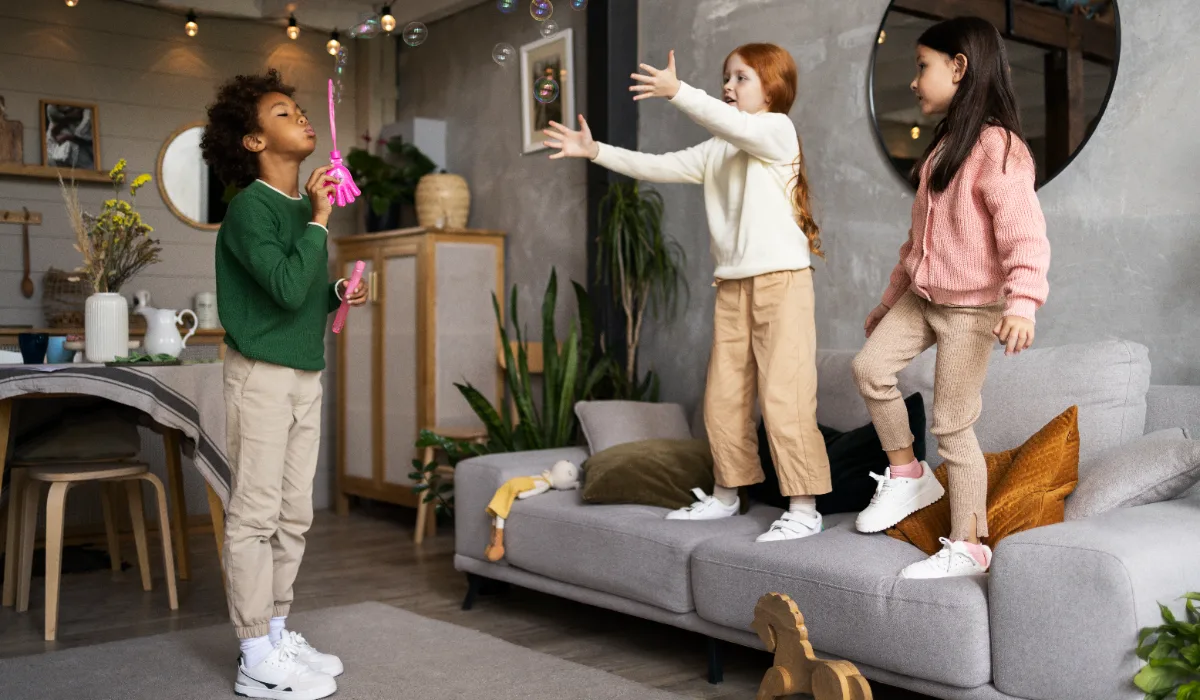
A successful interior usually has a sense of order without looking sterile. Furniture has enough room around it, colors relate to one another, lighting changes according to the activity, and decorative objects have a purpose.
The most important principle is function before decoration. A beautiful living room becomes frustrating if there is nowhere to place a drink, a bedroom becomes inconvenient if storage is inadequate, and an attractive kitchen loses its value when everyday work areas are obstructed.
Begin With How You Live
Before buying anything, think about the activities that happen in the room.
A family living room may need durable upholstery and flexible seating. A home office requires appropriate task lighting and a comfortable working position. A bedroom benefits from a calmer atmosphere and accessible bedside storage.
This simple step helps prevent impulse purchases and makes the final design more personal.
Measure Before You Shop
Measure the room, doors, windows, and existing furniture. Also record the location of radiators, vents, electrical outlets, and other fixed features.
Create a basic floor plan before ordering large items. Even a hand-drawn sketch can reveal whether a sofa will obstruct a walkway or whether dining chairs will have enough room to move.
Build the Room Around a Clear Focal Point

One of the most effective interior decoration tips mintpaldecor is to decide what you want people to notice first.
A focal point can be an architectural feature, fireplace, large window, artwork, headboard, bookcase, or distinctive light fixture. Once selected, arrange other elements so they support that feature instead of competing with it.
For example, if a living room has an attractive fireplace, orient the seating toward it rather than allowing the television to automatically dictate the entire layout.
Use Contrast Carefully
Contrast creates visual interest. You can achieve it through light and dark colors, rough and smooth textures, curved and straight shapes, or warm and cool materials.
However, contrast works best when there is repetition elsewhere in the room. If one black metal feature appears only once, it can feel random. Repeating that finish in a lamp, table frame, or picture frame creates a stronger visual connection.
Choose Colors That Work With the Lighting
Color is one of the easiest ways to change the character of a room, but choosing paint solely from a small color card can lead to disappointing results.
Natural daylight, artificial bulbs, window direction, flooring, and surrounding surfaces can all affect how a color appears.
Create a Flexible Color Palette
A practical palette can contain:
- A dominant background color
- A supporting color
- One or two accent shades
- Natural tones from wood, stone, or textiles
Neutral walls can provide flexibility, while stronger colors can be introduced through artwork, cushions, rugs, curtains, or one carefully selected accent surface.
You do not need to follow a rigid percentage formula. The more useful goal is visual hierarchy: large surfaces should generally be calmer than small areas intended to attract attention.
Test Paint Before Committing
Apply sample colors to several areas of the room and observe them during different parts of the day.
A color that appears soft and warm in afternoon sunlight may look considerably cooler under artificial lighting at night. Testing first is inexpensive compared with repainting an entire room.
Improve Lighting Before Adding More Decoration
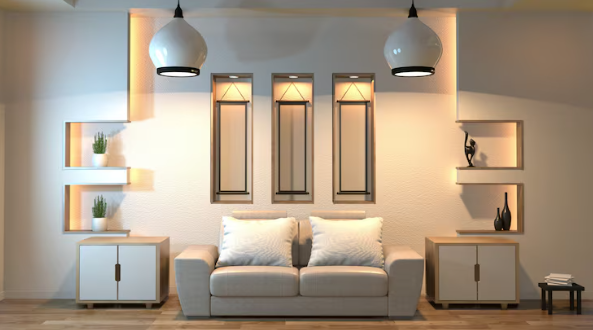
Lighting is often treated as an afterthought, yet it can determine whether furniture, colors, artwork, and textures look their best.
A practical lighting plan combines three layers.
Ambient lighting provides general illumination.
Task lighting supports specific activities such as reading, cooking, studying, or working.
Accent lighting draws attention to artwork, shelves, architectural details, or decorative features.
Mix Different Light Sources
Instead of relying on one ceiling fixture, combine a central light with floor lamps, table lamps, wall fixtures, or under-cabinet lighting where appropriate.
Dimmers can also provide greater flexibility because the same room may need bright illumination for cleaning and softer light for relaxing.
Natural daylight should be used whenever possible. Keep windows relatively unobstructed and select window treatments that provide the required privacy without unnecessarily blocking daylight.
Select Furniture According to Scale
Furniture should relate to the dimensions of the room. This is one of the most important principles in successful decorating.
A large sectional may dominate a compact apartment, while several tiny chairs can make a spacious living room appear disconnected. Neither problem is solved simply by buying more accessories.
Check Furniture Proportions
Consider the relationship between major pieces.
A sofa and coffee table should work comfortably together. A bed should leave enough space for movement. Dining chairs need adequate clearance from walls and nearby furniture.
Do not judge a product only by its showroom appearance. A piece can look perfectly sized in a large retail space but become overwhelming when placed in a smaller room.
Think About Movement
Create clear routes between major areas. People should not have to walk around furniture unnecessarily to reach a doorway, window, kitchen, or seating area.
Good circulation makes a room feel larger even when its actual dimensions have not changed.
Add Texture to Give Rooms More Depth
Color alone cannot provide all the visual interest a room needs. Texture helps create depth and prevents a space from feeling flat.
Try combining a limited selection of materials such as:
- Wood
- Linen
- Cotton
- Wool
- Ceramic
- Glass
- Metal
- Stone
- Woven materials
A smooth wooden table can work beautifully with a textured rug, soft upholstery, and a woven basket.
Repeat Materials for Cohesion
Using the same material or finish in several locations helps connect separate areas of the room.
For instance, a warm wood tone can appear in furniture, picture frames, and shelving. Similarly, a particular metal finish can be repeated through cabinet handles, lighting, and small accessories.
This creates continuity without requiring everything to match.
Use Accessories Without Overcrowding the Room
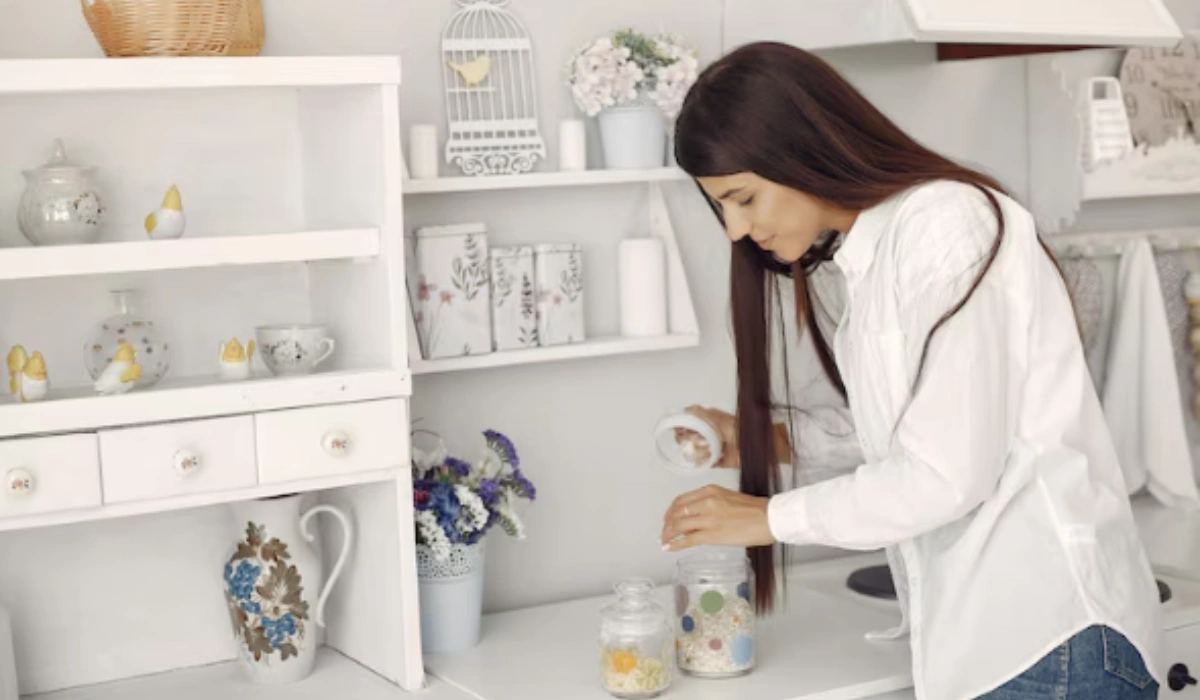
Decorative objects should support the room rather than consume it.
Artwork, plants, books, ceramics, mirrors, cushions, and rugs can introduce personality, but too many small objects can make surfaces difficult to maintain and visually distracting.
Create Small Decorative Groups
Rather than spreading individual objects across every shelf, group a few pieces together.
Vary their height, shape, and texture. For example, a framed photograph can sit beside a small plant and a ceramic object. The group becomes a deliberate composition rather than a collection of unrelated items.
Negative space around these arrangements is equally important.
Interior Decoration Tips Mintpaldecor for Small Rooms
Small rooms require careful planning because every piece occupies a larger percentage of the available space.
One of the strongest interior decoration tips mintpaldecor strategies for compact interiors is to prioritize useful furniture over excessive decoration.
Choose pieces that perform more than one function when appropriate. A storage bench can provide seating and organization. A nesting table can create flexible surface space. A bed with drawers can reduce the need for another storage unit.
Avoid Filling Every Corner
An empty corner is not automatically a decorating problem.
Leaving some areas open can improve circulation and make the room feel less crowded. Before buying a corner table or decorative chair, ask whether the item actually improves the room's function.
Define Zones in Open Spaces
Open-plan rooms can feel confusing when their functions are not clearly established.
Use rugs, furniture orientation, lighting, and subtle color changes to define separate areas. A sofa can establish the boundary of a living zone, while a pendant light can visually anchor a dining area.
Smart Decorating on a Limited Budget
You do not have to complete every improvement at once. A phased approach can produce better results because it gives you time to understand what the room actually needs.
Start with changes that have a visible functional benefit.
| PriorityRecommended approachWhy it matters | ||
| First | Declutter and rearrange | Costs little and reveals the room's potential |
| Second | Improve lighting | Changes atmosphere and usability |
| Third | Repair or refresh surfaces | Makes the room feel maintained |
| Fourth | Upgrade key textiles | Adds comfort and visual warmth |
| Fifth | Add artwork and accessories | Introduces personality |
| Last | Replace major furniture | Only when existing pieces no longer work |
Rearrange Before Replacing
Before spending money, move the furniture.
Try pulling seating slightly away from walls, changing the position of a rug, relocating lamps, or turning a chair toward a better conversation area.
Take photographs before and after the changes. Looking at a room through a photograph often makes proportion and clutter problems easier to identify.
Spend More on Frequently Used Items
A practical budget should favor products that receive heavy daily use.
A mattress, sofa, desk chair, dining chair, or frequently used storage unit may deserve more attention than inexpensive decorative accessories.
For trend-driven items, choose affordable options that can be changed without significant financial loss.
Make the Kitchen More Attractive and Functional
Kitchen decorating should never sacrifice usability.
Keep preparation areas as clear as possible and organize frequently used items where they are easy to reach. Decorative accessories can add personality, but they should not interfere with food preparation or cleaning.
Upgrade Small Details
If a complete kitchen renovation is unnecessary, consider smaller improvements such as cabinet hardware, better task lighting, organized shelving, a new runner, or carefully selected wall decor.
These changes can refresh the appearance while preserving existing cabinets and appliances.
Create a Calmer Bedroom
A bedroom should support rest rather than compete for attention.
Choose a restrained color palette, comfortable bedding, practical bedside lighting, and storage that keeps everyday clutter out of sight.
Avoid placing excessive decorative objects around the bed. The sleeping area is usually stronger when the visual composition is simple.
Layer Soft Materials
Curtains, bedding, rugs, cushions, and upholstered furniture can soften hard architectural surfaces.
However, prioritize materials that are easy to clean and suitable for your climate and lifestyle. Beautiful fabric is less useful when it requires constant maintenance you cannot realistically provide.
Improve the Entryway
The entrance is a small area with a disproportionately large effect on how the home feels.
A practical entryway may include a mirror, small surface for keys, hooks, a shoe solution, and suitable lighting.
Keep the arrangement simple. The goal is to make entering and leaving the house easier while creating a welcoming first impression.
Use Trends Without Making the Home Feel Dated
Current decorating trends can provide inspiration, but they should not dictate every major purchase.
Keep expensive, difficult-to-replace elements relatively timeless. Introduce fashionable colors, patterns, and shapes through accessories or smaller furniture where possible.
This approach allows you to update the appearance later without replacing flooring, cabinetry, or large furniture.
Choose Trends That Match Your Home
A trend should also make sense with the architecture.
A highly ornate piece may look disconnected in an extremely minimalist interior, while an ultra-modern fixture may feel out of place in a traditionally detailed room.
Good decorating is not about forcing a style onto a house. It is about creating a relationship between the existing architecture and the items you introduce.
Sustainable Choices Can Improve Your Decorating Strategy
Another useful interior decoration tips mintpaldecor principle is to think carefully before replacing usable products.
Repairing, refinishing, reupholstering, donating, or purchasing secondhand can reduce unnecessary waste and sometimes save money.
Solid wood furniture, vintage mirrors, quality lamps, and durable accessories can be particularly worthwhile secondhand purchases when their construction remains sound.
Before buying used furniture, inspect joints, surfaces, drawers, hardware, and signs of moisture or pest damage.
Common Interior Decorating Mistakes to Avoid
Even expensive furniture cannot compensate for poor planning.
Buying Before Measuring
Always confirm dimensions, access routes, and clearance before purchasing major furniture.
Using Too Many Colors
A room can become visually confusing when every surface introduces a different color. Establish a small palette and use variations within it.
Ignoring Lighting Temperature
Different light sources can produce noticeably different appearances. Keep the overall lighting environment intentional instead of mixing incompatible bulbs throughout the room.
Pushing Everything Against the Walls
Not every sofa, chair, or cabinet needs to touch a wall. Pulling selected furniture away from the perimeter can create a more natural conversation area.
Decorating Every Surface
If every shelf, table, and wall is filled, individual pieces lose importance. Select fewer items and give them enough surrounding space.
Choosing Appearance Over Comfort
A chair that photographs beautifully but provides poor support will eventually become an unused decoration.
How to Develop Better Decorating Judgment
The best interior decoration tips mintpaldecor are not rules that must be followed blindly. They are principles that help you make better decisions.
Study rooms you genuinely like. Instead of simply saving a photograph, identify what makes it appealing.
Ask:
- How large are the furniture pieces compared with the room?
- Where does the primary light come from?
- Which colors repeat?
- How many major materials are being used?
- Where is the focal point?
- How much empty space has been preserved?
- Does the furniture encourage the activities intended for the room?
This exercise trains your eye to recognize relationships rather than isolated products.
Photograph Your Own Space
Your eyes become accustomed to your home because you see it every day. A photograph provides distance.
Take pictures from the entrance and from major corners. Look for awkward furniture alignment, excessive accessories, dark areas, and visual distractions.
Make one change at a time and photograph the result again. This creates a simple feedback process for improving your decorating decisions.
A Practical Decorating Process to Follow
For homeowners who do not know where to begin, use this sequence:
Step 1: Assess the room. Identify its purpose and current problems.
Step 2: Measure everything important. Record dimensions and fixed features.
Step 3: Declutter. Remove items that do not serve a practical or emotional purpose.
Step 4: Plan furniture placement. Prioritize movement and functionality.
Step 5: Establish the color palette. Consider natural and artificial lighting.
Step 6: Improve lighting. Add task and accent sources where necessary.
Step 7: Introduce texture. Use a controlled combination of materials and fabrics.
Step 8: Add personality. Finish with artwork, plants, books, and meaningful objects.
Step 9: Review the room. Remove anything that feels unnecessary.
This process reduces impulse buying and gives each decorating decision a clear purpose.
Frequently Asked Questions
What are the most useful interior decoration tips mintpaldecor for beginners?
Start with room measurements, furniture placement, lighting, color coordination, and decluttering. Once the basic structure works, add decorative details.
How can I decorate my house without spending a lot?
Rearrange existing furniture, remove clutter, improve lighting, refresh textiles, and add selected artwork or plants. Major furniture should only be replaced when it no longer fits the room or your needs.
What should I choose first when decorating a room?
Determine the room's purpose and measure the available space first. Establishing the furniture layout before buying accessories prevents many costly mistakes.
How can I make a small room feel larger?
Use appropriately scaled furniture, maintain clear walking paths, reduce visual clutter, and use lighting strategically. Mirrors can also help when positioned to reflect useful light or an attractive view.
Should every room use identical colors?
No. Rooms can have individual personalities while sharing a few connecting colors, materials, finishes, or design details.
Is it better to follow modern decorating trends?
Use trends selectively. Timeless furniture, practical layouts, quality materials, and good lighting usually provide a stronger long-term foundation than constantly changing the entire interior.
Conclusion
The most effective interior decoration tips mintpaldecor are not about filling a home with expensive products. They are about understanding how space works and making deliberate choices that improve comfort, movement, lighting, storage, and visual harmony.
Start by examining what you already have. Measure the room, remove unnecessary items, establish a sensible furniture arrangement, and improve the lighting before spending heavily on decoration. From there, introduce a controlled color palette, varied textures, useful storage, artwork, plants, and personal objects that genuinely belong in the space.
A successful interior does not need to look identical to a showroom or a social-media photograph. It should reflect the people who live there and make everyday activities easier. By applying these principles gradually, you can create rooms that feel organized, welcoming, practical, and personal without relying on an oversized decorating budget.