Kitchen Upgrading Tips Mintpalment: Smart Ideas
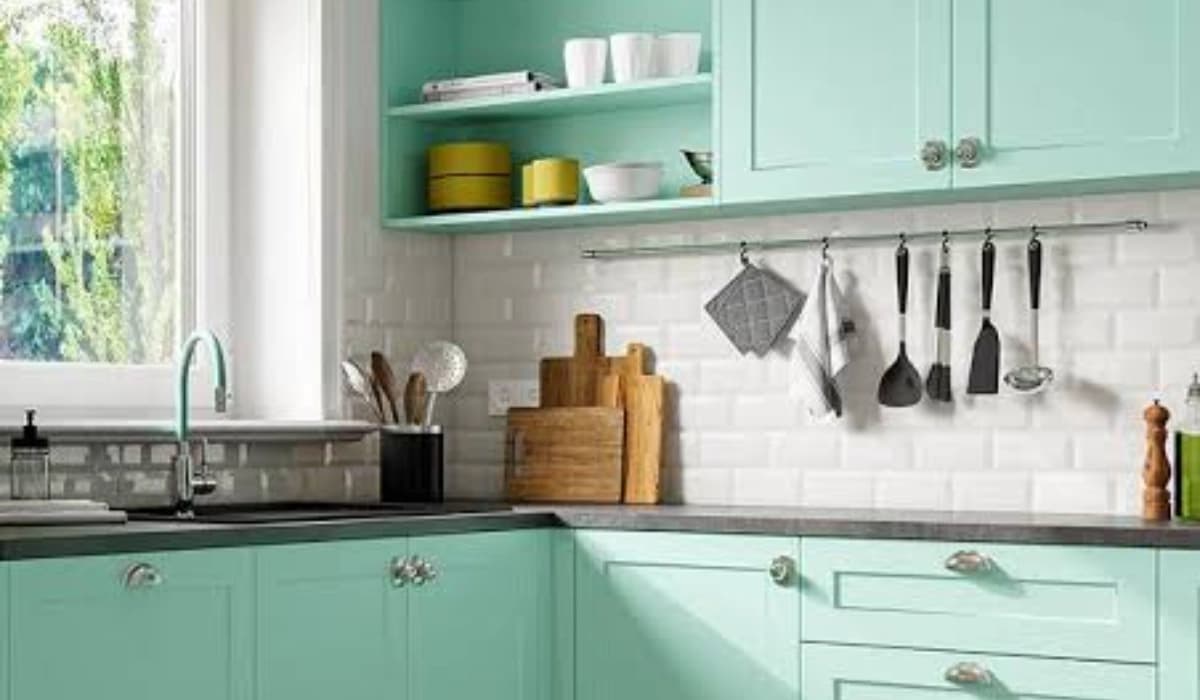
If your kitchen feels outdated, inefficient, or difficult to organize, the best kitchen upgrading tips mintpalment approach is not to replace everything at once. A well-planned upgrade focuses first on the problems that affect everyday cooking, cleaning, storage, safety, and movement.
The most effective kitchen improvements usually combine practical changes with carefully selected cosmetic updates. Better lighting, improved cabinet storage, refreshed hardware, durable surfaces, smarter appliance placement, and an efficient workflow can make an existing kitchen feel substantially better without requiring a complete demolition.
Start With the Problems, Not the Shopping List
Before buying new cabinets, appliances, or decorative accessories, spend a few days observing how you actually use the kitchen. Notice where clutter accumulates, which cabinets are difficult to access, where food preparation feels cramped, and whether the lighting creates shadows on important work areas.
This approach prevents a common renovation mistake: spending money on attractive finishes while leaving the underlying problem untouched. Recent kitchen-upgrade guidance similarly recommends identifying everyday frustrations before deciding which improvements deserve the budget.
Make a Kitchen Problem List
Divide problems into three categories:
- Function: poor workflow, insufficient preparation space, awkward storage
- Condition: damaged cabinets, worn countertops, failing fixtures
- Appearance: dated colors, old hardware, unattractive backsplash
Fix functional problems first. Cosmetic improvements become more valuable when the kitchen already works properly.
Decide What Can Stay
Not every old component needs replacement. Sound cabinet boxes, usable appliances, structurally good countertops, and functional plumbing can potentially remain while smaller elements receive an upgrade.
Keeping good components also allows more of the budget to go toward high-impact improvements such as drawer hardware, lighting, ventilation, or better work surfaces.
Improve the Kitchen Workflow Before Its Appearance
One of the most overlooked kitchen upgrading tips mintpalment is to improve workflow before choosing decorative finishes. The distance between the refrigerator, sink, preparation area, cooking surface, and storage can determine whether meal preparation feels smooth or frustrating. Home upgrades Mintpalment is important for every homeowners.
Think about the sequence of a normal meal. You may retrieve ingredients, wash them, prepare them, cook them, plate them, and clean afterward. Your layout should support that sequence with minimal unnecessary movement.
Create Dedicated Work Zones
Instead of treating the kitchen as one large area, identify functional zones such as:
- Food storage
- Food preparation
- Cooking
- Cleaning
- Serving
- Small-appliance storage
A frequently used item should generally be stored close to the area where it is needed. For example, knives, cutting boards, and preparation tools should not be scattered across distant cabinets.
Protect Your Main Preparation Area
Counter space directly beside the cooking area and sink is especially valuable. Avoid filling this zone with decorative objects or appliances that are rarely used.
A clear preparation surface can improve productivity more than adding another decorative feature.
Upgrade Kitchen Cabinets Before Replacing Them
Cabinetry usually has a major visual impact, but complete replacement can be one of the most expensive parts of a kitchen project. If the cabinet boxes are structurally sound, consider whether the doors, finish, hardware, and internal organization are actually the parts that need improvement.
Painting or refinishing doors can change the appearance dramatically, while new handles can provide a smaller but surprisingly noticeable transformation. Current budget-upgrade guidance also highlights cabinet paint and hardware as relatively high-impact changes when the existing cabinetry remains usable.
Refresh Cabinet Hardware
Replacing knobs and pulls is one of the simplest upgrades, but accurate measurement is essential. Check the existing hole spacing before purchasing replacement handles.
Choose hardware that works with the cabinet style and other finishes in the room. Consistency usually creates a more intentional appearance than using numerous unrelated finishes.
Make Cabinet Interiors More Useful
Do not focus only on cabinet fronts. Interior organization can improve everyday usability substantially.
Consider drawer dividers, shelf risers, pull-out trays, vertical dividers for baking sheets, and door-mounted storage where appropriate. Recent storage guidance emphasizes using overlooked cabinet space rather than automatically adding more cabinetry.
Upgrade Kitchen Lighting in Layers
Lighting can change both the appearance and usability of a kitchen. A single ceiling fixture may illuminate the room generally but still leave important preparation areas in shadow.
A better strategy combines ambient, task, and accent lighting. Under-cabinet lighting is particularly useful because it illuminates the work surface instead of casting your body shadow directly across it.
Use Task Lighting Where You Work
Place brighter task lighting above areas used for chopping, cooking, washing, and reading recipes. Under-cabinet LED strips or properly positioned fixtures can make countertops substantially easier to use.
If you are installing new electrical wiring, plan the lighting before cabinets or backsplash materials are finalized. Retrofitting wiring afterward can create unnecessary labor.
Consider Color Rendering
Lighting is not only about brightness. Color rendering affects how food, cabinets, countertops, and finishes appear.
For detailed kitchen work, quality LEDs with good color rendering can produce a more natural appearance than inexpensive lighting that distorts colors. In specialized kitchen-design guidance, CRI 90+ is recommended for accurate food and material color perception.
Make Storage Work Harder
More cabinets do not automatically mean better storage. Poorly organized deep cabinets can waste considerable space because items at the back become difficult to reach.
Before adding new storage, examine the storage you already have. Roll-out drawers, drawer organizers, vertical dividers, shelf inserts, and pantry baskets can convert inaccessible space into usable capacity.
Use Vertical Space
Walls and cabinet sides can provide additional storage without consuming valuable countertop area. Rails, hooks, narrow shelves, and carefully positioned open storage can hold frequently used items.
However, avoid turning every wall into a storage display. The goal is accessibility without creating visual clutter.
Improve Deep Cabinets
Deep shelves are useful for large containers but inefficient for small everyday items. Pull-out systems can bring stored objects forward, making the entire depth accessible.
Before installing a pull-out mechanism, check cabinet dimensions, door clearance, load capacity, and plumbing obstructions.
Choose Countertops Based on How You Cook
Countertops receive constant use, so appearance should not be the only selection criterion. Consider heat, moisture, staining, scratching, maintenance, edge treatment, and the type of cooking you regularly perform.
If the existing countertop is structurally sound but visually dated, a complete replacement may not be necessary. Refinishing, resurfacing, or improving nearby elements such as cabinet hardware and lighting can sometimes produce a meaningful visual refresh.
Match the Surface to Your Lifestyle
A material that looks beautiful but requires excessive maintenance may be unsuitable for a busy household. Think about how often the surface is cleaned and whether hot cookware, acidic foods, heavy appliances, or sharp tools regularly contact it.
For heavily used kitchens, durability and maintenance should receive as much attention as color and pattern.
Refresh the Backsplash With a Purpose
A backsplash protects the wall from moisture, grease, splashes, and food residue, but it can also become an important visual element.
Instead of automatically covering every wall from countertop to ceiling, identify where protection is actually required and where a smaller statement area could provide more impact. Recent design guidance highlights both practical materials and targeted backsplash applications as ways to balance appearance with cost.
Think About Cleaning Before Style
Highly textured surfaces may look attractive but can require more effort to clean around cooking areas. Smooth, appropriately sealed materials can be easier to maintain.
The best backsplash is therefore not necessarily the most decorative one. It should work with the countertop, cabinets, lighting, and cleaning requirements.
Upgrade the Sink and Faucet
The sink is one of the most frequently used kitchen fixtures, so even a relatively small upgrade can improve everyday comfort.
Consider bowl depth, sink configuration, faucet reach, spray functionality, mounting style, and clearance around the fixture. A faucet that cannot reach the useful portion of the sink creates frustration regardless of how attractive it looks.
Choose Function Over Decoration
A pull-down or pull-out faucet can make washing large cookware easier, but the exact configuration should match the sink and plumbing arrangement.
Before ordering a new fixture, verify the number and spacing of mounting holes, water connections, available clearance, and compatibility with the existing setup.
Improve Ventilation and Air Quality
Ventilation is one of the most important functional areas that homeowners sometimes overlook during cosmetic upgrades. Cooking creates heat, moisture, smoke, grease particles, and odors that should be controlled effectively.
A properly sized range hood or ventilation system can help remove cooking byproducts at their source. The hood should also be positioned and sized according to the cooking equipment and manufacturer's requirements.
Do Not Treat the Range Hood as Decoration
A beautiful hood that performs poorly does not solve the ventilation problem. Pay attention to capture area, airflow, ducting, filter maintenance, and the way the system exhausts air.
If you cook frequently with high heat, strong spices, frying, or grilling methods, ventilation deserves a higher priority in your upgrade plan.
Upgrade Appliances Strategically
New appliances can improve convenience, energy performance, cooking control, and appearance, but replacing every appliance simply to achieve a matching look is not always financially sensible.
Start with appliances that create a genuine daily problem. If the refrigerator works well but the oven heats inconsistently, the oven may deserve priority.
Plan Appliance Placement Carefully
An appliance should have enough surrounding clearance for safe operation, maintenance, ventilation, and comfortable use. Doors and drawers should also open without interfering with nearby appliances or walkways.
Smart appliance selection is therefore about more than specifications. The appliance must fit the kitchen physically and support the way you cook.
Use Color to Modernize the Kitchen
Color can make a kitchen feel newer without changing its physical layout. Cabinet paint, wall color, backsplash, textiles, and accessories can introduce a completely different atmosphere.
However, avoid selecting a color independently from the existing countertop and flooring. These fixed surfaces often determine which cabinet and wall colors will create a cohesive result.
Choose a Palette Before Painting
Create a small material board containing your cabinet sample, countertop, flooring, backsplash, hardware, and paint options. View the combination under both daytime and artificial lighting.
This simple step can prevent expensive color mistakes and helps ensure that the finishes belong to the same visual system.
Consider a Kitchen Island Only If It Improves the Room
A kitchen island can provide additional preparation space, storage, seating, and a social gathering point. But adding one to a small or poorly planned kitchen can make movement significantly worse.
Measure the available circulation around the proposed island before purchasing or building it. You need enough usable clearance for cabinet doors, drawers, appliances, and people moving through the room.
Make the Island Work Harder
If you already have an island, improve its storage rather than replacing it automatically. Hooks, baskets, coordinated hardware, paper-towel holders, and internal organizers can increase its usefulness with relatively little work.
Make a Small Kitchen Feel More Spacious
Small kitchens require careful control of both physical and visual clutter. The objective is not to squeeze more objects into every available space but to make essential activities easier.
Use appropriately scaled furniture, clear unnecessary countertop items, maximize vertical storage, and use lighting to reduce dark areas. Reflective or light-colored finishes can also influence the perceived spaciousness of a room.
Avoid Oversized Features
A large island, oversized pendant, deep appliance, or excessive upper cabinetry can dominate a compact kitchen.
Before adding a major element, consider whether the improvement in function is worth the space it consumes.
Add Smart Technology Where It Solves a Problem
Smart kitchen technology can provide convenience, but technology should have a purpose rather than being added simply because it is fashionable.
Examples include smart lighting controls, appliance monitoring, automated faucets, motion-activated cabinet lighting, and energy monitoring. Choose technology that is reliable, easy to maintain, and genuinely useful to your household.
Keep Controls Simple
A complicated smart-home setup can become frustrating if family members cannot operate it easily. Manual controls should remain available for important functions where practical.
The best technology is usually the kind that quietly improves an existing task.
Choose Durable Materials for High-Use Areas
A kitchen experiences moisture, heat, grease, impacts, spills, and constant cleaning. Materials should therefore be selected according to their exposure rather than appearance alone.
Cabinet finishes near sinks and cooking surfaces need appropriate resistance. Flooring should tolerate repeated cleaning and foot traffic, while hardware should withstand frequent opening and closing.
Spend More Where You Touch and Use
A useful budget strategy is to spend more on components that experience daily wear. Hinges, drawer slides, faucets, countertops, lighting, and frequently used handles can justify better-quality products.
Save money on areas where the performance difference is less important. This creates a more balanced renovation budget.
Kitchen Upgrades: Where to Save and Where to Spend
| Upgrade Area | Save By | Spend More On |
| Cabinets | Refinish sound doors | Quality hinges and drawer slides |
| Lighting | Simple fixture designs | Reliable LEDs and controls |
| Countertops | Keep a sound existing surface | Durable replacement material |
| Storage | Use organizers inside existing cabinets | Heavy-use pull-out hardware |
| Hardware | Choose simple designs | Durable finishes and construction |
| Backsplash | Use targeted coverage | Easy-clean material near cooking areas |
| Appliances | Keep reliable existing units | Replace inefficient or failing appliances |
| Faucet | Avoid unnecessary luxury features | Quality construction and suitable reach |
The key is to spend according to use, durability, and impact, rather than dividing the budget equally among every visible feature.
Common Kitchen Upgrade Mistakes to Avoid
Even good individual products can produce a disappointing result when the overall planning is poor. Several mistakes repeatedly cause homeowners to spend money without achieving a meaningful improvement.
Replacing Everything at Once
A full replacement is not always the best solution. If the layout, cabinets, appliances, or countertops are still functional, targeted improvements can produce a better return from a smaller budget.
Ignoring Measurements
Measure walls, cabinet openings, appliance spaces, door swings, plumbing locations, and circulation areas before ordering materials. A beautiful product that does not physically fit becomes an expensive problem.
Choosing Style Before Function
A trendy kitchen can still be frustrating to use. Start with workflow, storage, lighting, ventilation, and safety before finalizing decorative choices.
Adding Too Much
More shelves, accessories, lighting fixtures, colors, and decorative objects do not automatically create a better kitchen. Good design often involves editing as much as adding.
The Best Order for Kitchen Upgrades
One of the most useful kitchen upgrading tips mintpalment is to complete improvements in an order that prevents rework.
A practical sequence is:
- Identify problems and establish the budget.
- Measure the room and document existing utilities.
- Improve the layout and workflow.
- Plan electrical and lighting changes.
- Address ventilation and plumbing requirements.
- Upgrade storage and cabinet interiors.
- Repair, refinish, or replace major surfaces.
- Install countertops and backsplash where required.
- Add hardware, fixtures, and appliances.
- Finish with color, accessories, and organization.
This sequence prioritizes infrastructure and function before decorative details.
A Budget Upgrade Plan for Different Kitchens
The right project depends on the condition of your existing kitchen. A kitchen with good cabinets but poor lighting needs a different strategy from one with damaged cabinetry and an inefficient layout.
If the Kitchen Mostly Works
Focus on lighting, cabinet hardware, paint, organization, faucet improvements, backsplash details, and countertop decluttering.
If Storage Is the Main Problem
Prioritize drawer organizers, pull-outs, vertical dividers, pantry improvements, cabinet-door storage, and better zoning.
If the Layout Is the Problem
Do not spend heavily on decoration before addressing movement and work areas. A cosmetic upgrade cannot fully compensate for a fundamentally inefficient layout.
If the Kitchen Is Worn Out
Prioritize safety, plumbing, electrical systems, ventilation, damaged surfaces, and failing appliances before decorative upgrades.
Maintenance After the Upgrade
A kitchen upgrade should not end when the installation is complete. Regular maintenance protects the investment and prevents small problems from becoming expensive repairs.
Clean ventilation filters according to manufacturer recommendations, inspect plumbing connections for leaks, maintain countertop surfaces according to their material requirements, and tighten loose hardware when necessary.
Keep storage organized as well. An efficient kitchen can quickly become cluttered if unused items continue accumulating.
Frequently Asked Questions
What are the best kitchen upgrading tips mintpalment for a limited budget?
Start with changes that solve everyday problems, such as improved lighting, cabinet organization, new hardware, decluttering, and better workflow. These improvements can provide noticeable benefits without requiring a complete kitchen renovation.
Should I remodel the kitchen or upgrade it?
Upgrade when the basic layout, cabinetry, plumbing, and major infrastructure are still functional. A remodel becomes more appropriate when structural problems, poor workflow, inadequate storage, or deteriorated components cannot be solved through smaller improvements.
What kitchen upgrade gives the biggest visual difference?
Cabinet finishes, hardware, lighting, and backsplash changes can have a substantial visual impact. The best choice depends on what currently makes the kitchen look dated.
What should I upgrade first in my kitchen?
Begin with functionality: workflow, storage, lighting, ventilation, and safety. Once those elements are addressed, move toward countertops, cabinets, colors, backsplash, hardware, and decoration.
Is it worth upgrading kitchen cabinets instead of replacing them?
Yes, if the cabinet boxes are structurally sound and the existing layout works. Refinishing doors, changing hardware, and improving internal storage can significantly extend the useful life of existing cabinetry.
How can I upgrade a kitchen without a full renovation?
Keep the components that still work and focus on targeted changes. Cabinet refinishing, lighting, hardware, storage organization, faucet replacement, backsplash updates, and improved countertop organization can create a substantial refresh.
Are kitchen islands always a good upgrade?
No. An island is useful only when the room has enough space for comfortable circulation and the island provides meaningful additional function. In a small kitchen, it can actually reduce usability if it blocks movement.
How do I make my kitchen look more expensive?
Use consistent finishes, improve lighting, reduce countertop clutter, choose appropriately scaled hardware, and create a cohesive relationship between cabinets, countertops, backsplash, and flooring. Expensive-looking design usually comes from consistency and proportion rather than simply buying expensive products.
Conclusion
The most effective kitchen upgrading tips mintpalment strategy is to stop thinking of a kitchen upgrade as a collection of products and start treating it as a system. Workflow, storage, lighting, ventilation, durability, appliances, surfaces, and appearance should work together rather than being selected independently.
Start by identifying what frustrates you every day, then spend the budget where it will create the greatest practical improvement. Keep components that are still sound, upgrade the areas that receive the most use, and finish with the decorative details that make the space feel personal.
A successful kitchen does not need to be completely rebuilt to feel new. With thoughtful planning and the right sequence of improvements, an existing kitchen can become more functional, easier to maintain, more comfortable, and considerably more attractive without unnecessary renovation costs.